Anton Maliauski Anton Maliauski

Tags / Interface

RSS


I saw this pictogram in an underground passage and felt all of its pain.
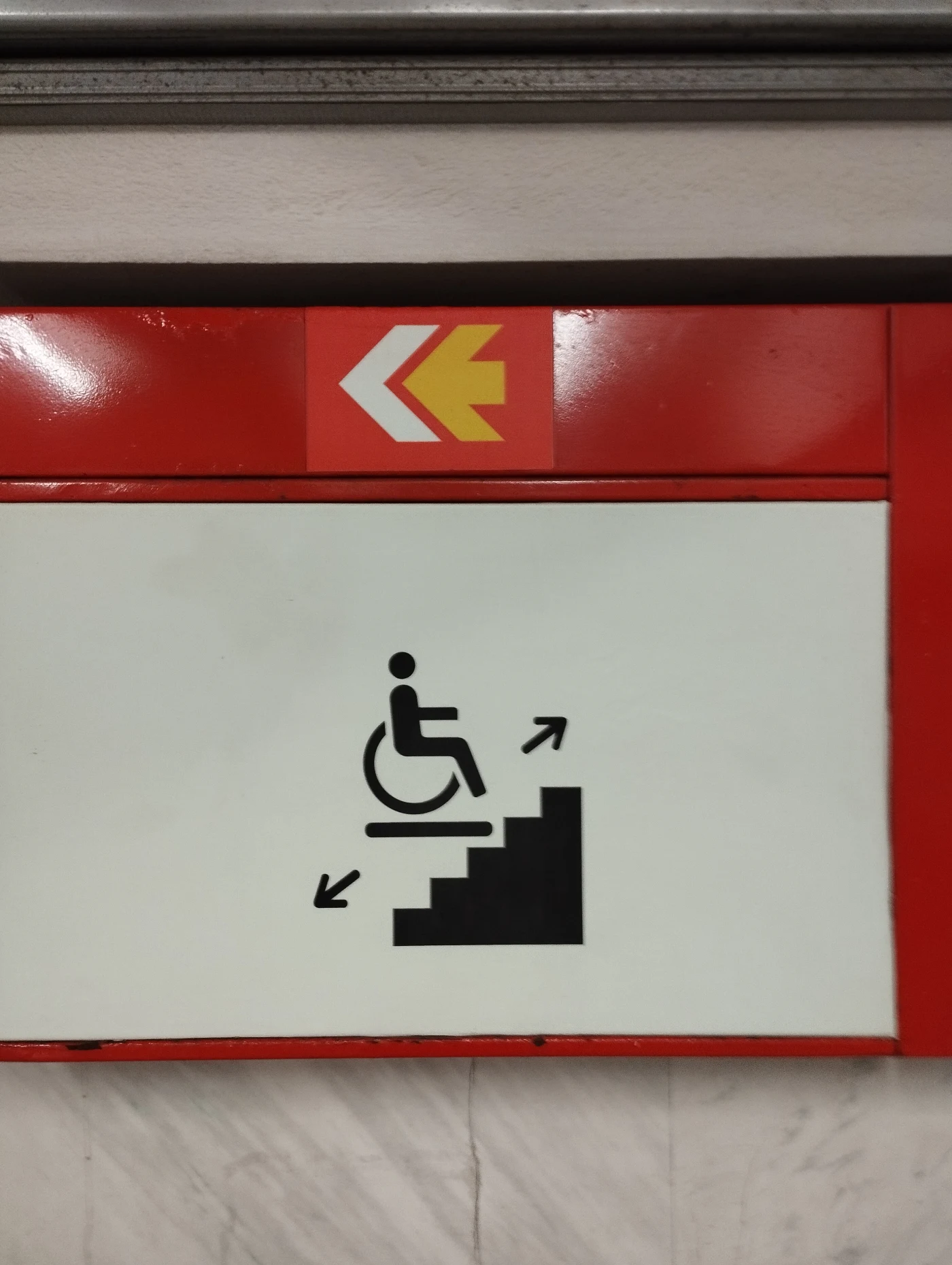
A sign showing a person in a wheelchair, with arrows pointing toward a staircase and an exit.
An accessibility pictogram in an underground passage in Minsk.

Honestly, I don’t know how to draw it better. I haven’t looked into the details or researched how signs like this are designed around the world. But what I see here scares me more than it reassures me.

There is a staircase here. These jagged steps are very prominent, very active. There is a wheelchair user on some kind of surface. But it is unclear how this surface is supposed to move along the steps, and why this movement should create any sense of safety.

I’m not saying the pictogram needs to show the entire mechanism. But it should contain at least the idea of smooth movement. Here, it doesn’t. The eye does not move upward with the platform. It trips over the steps.

The arrows look strange, too. They seem to live in a world of their own. It is unclear what exactly they are explaining. If the sign is located below, inside the passage, then the downward arrow no longer makes sense. The task is not to go even lower, but to get back up. Yes, I understand that there is standardization and that there are standard templates. But the standard should follow the meaning, not the other way around.

Formally, this pictogram has everything. Stairs. A wheelchair. Some kind of platform. Arrows. The logic seems to be assembled. But the meaning gets lost.

A pictogram of this kind should be a saving symbol. A sign that a person’s problem has been solved here. But this pictogram does not solve the problem. It creates a new puzzle. Where should this person go? What will move? How does it work? Is this person supposed to overcome this staircase?

I look at it and see not accessibility, but a barrier. Not “you will be lifted,” but “here are the stairs, good luck.”

This is a small scene of tension, not a sign of help.
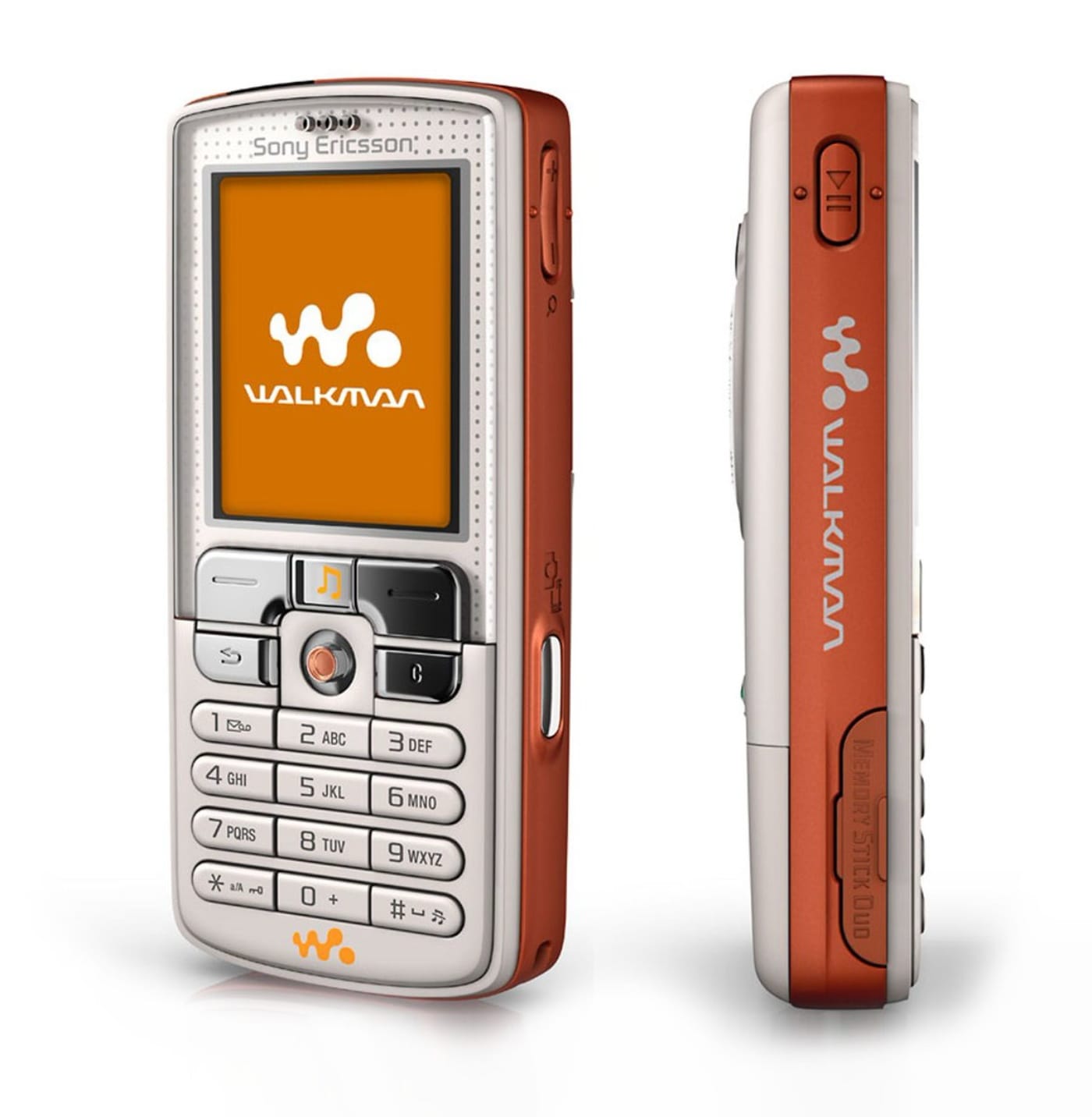
There used to be so many cool, beautiful phones, but today there are only identical “black mirrors”.

Sony Ericsson W800i Walkman (2005 year)
Yes, if you compare smartphones, you can find better and worse designs. A black rectangle, after all, can be made with rounded corners, or with another; a matte or glossy case; play with the camera block, etc.

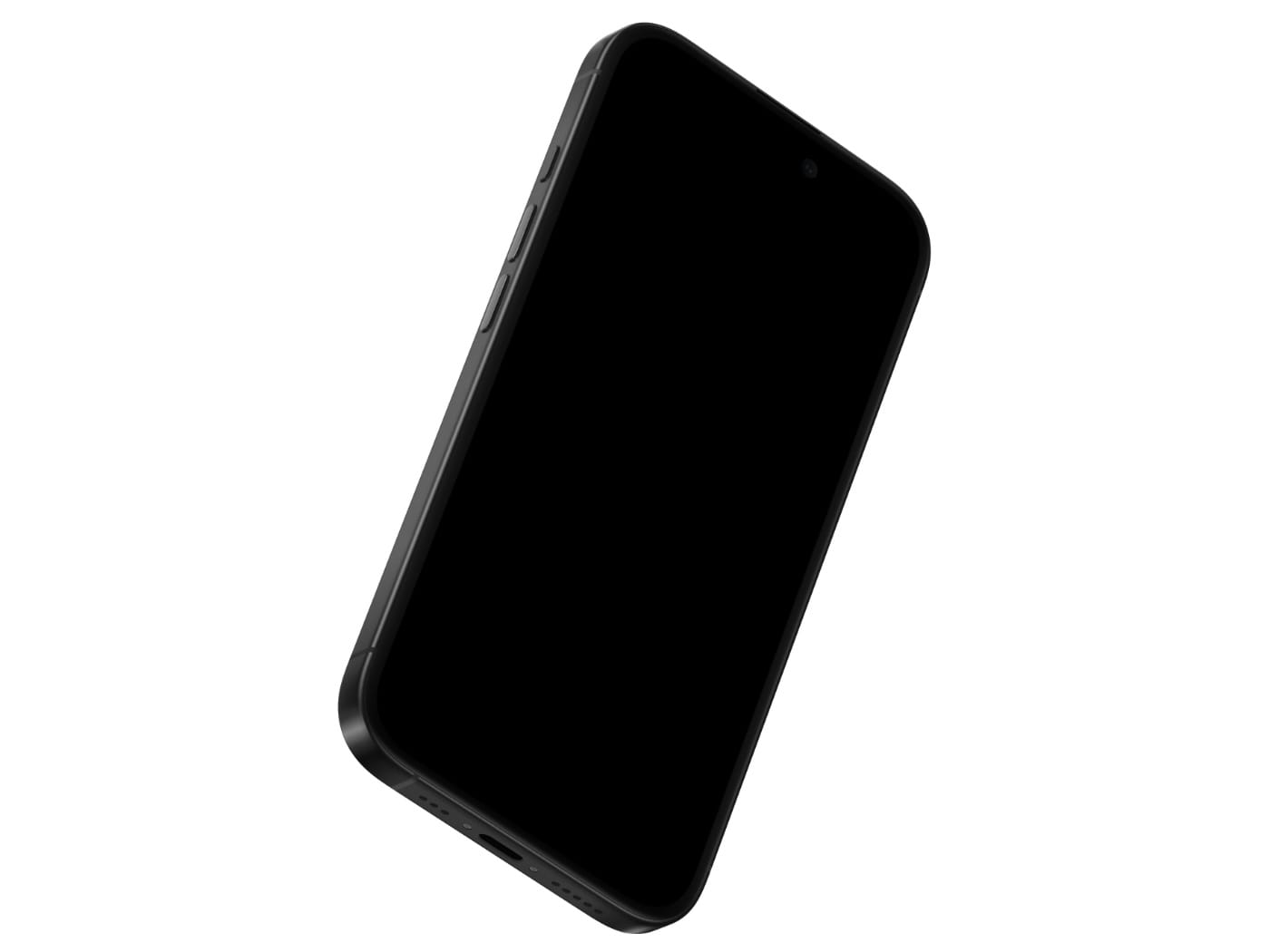
Smartphone Apple iPhone 16 (2024)
Apple iPhone 16 (2024)

I’m more about innovative design. I’m trying to understand what attracts me to those small phones with buttons and joysticks, whether they are needed today or are they a step back for the sake of nostalgia, and not real convenience. Or maybe a new form is needed, but what kind?

All these beauties have moved to a virtual environment, and the smartphone has become a thin client that is required to interfere as little as possible. Perhaps this is good.

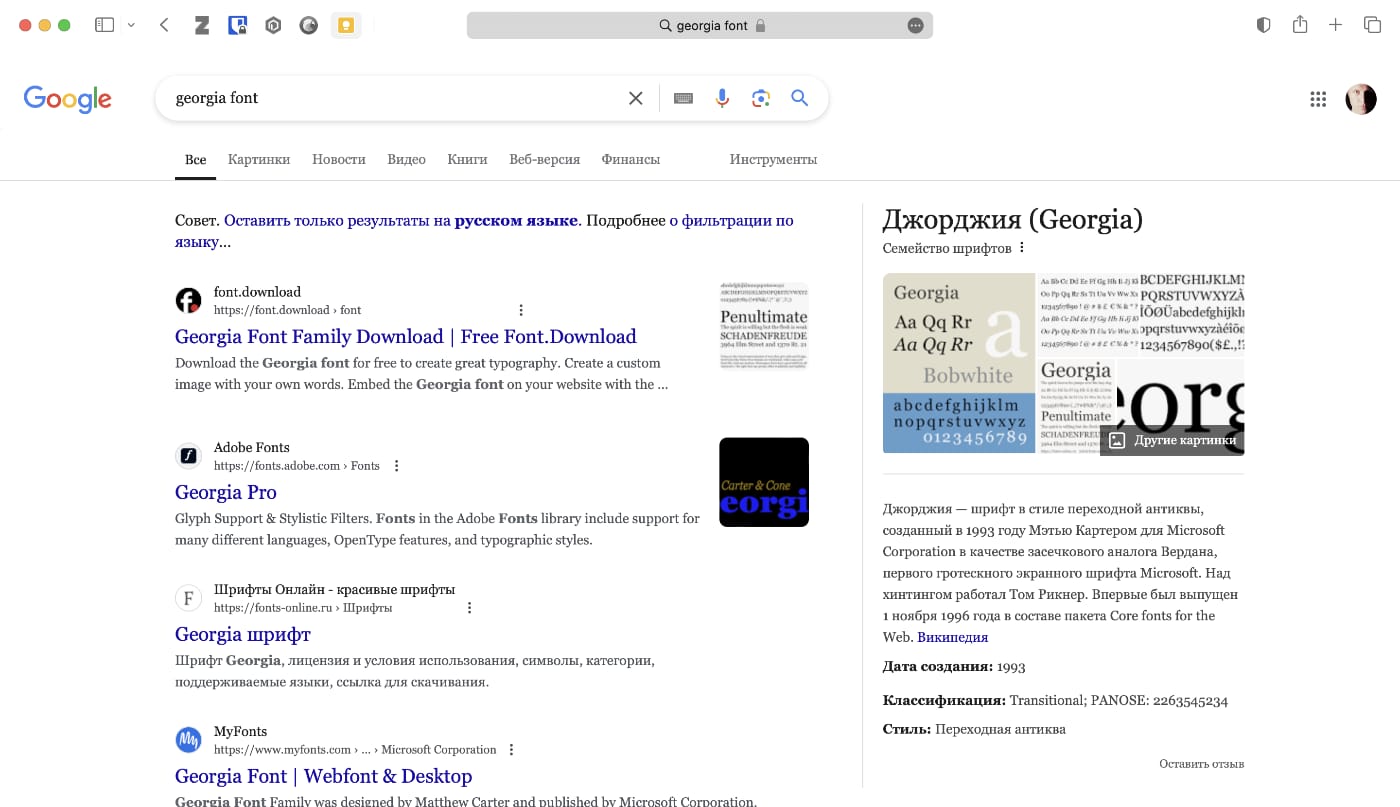
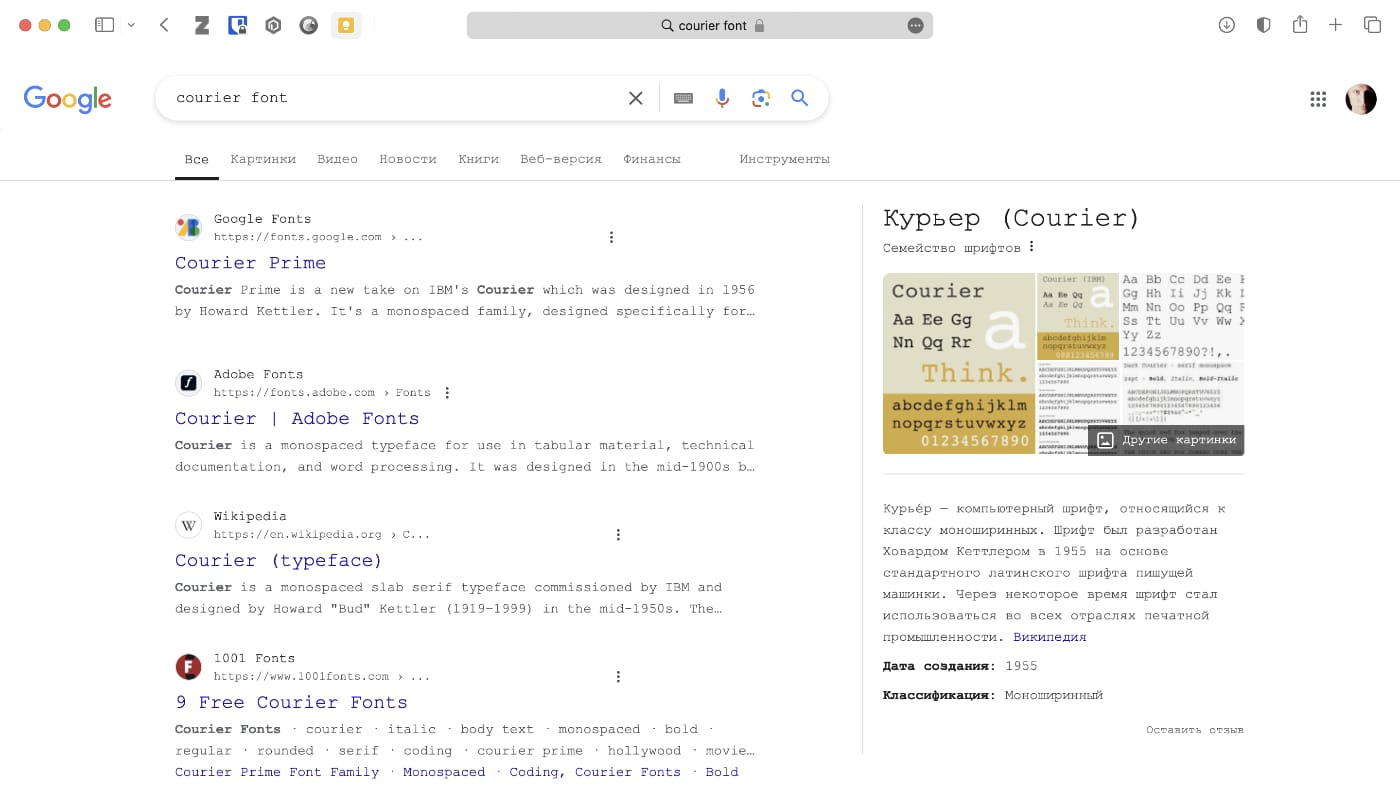
I was looking for a font in Google and at first I didn’t quite understand what was going on. My first thought was “Fuck, the fonts are gone!” Then a pause… Stop! I’m in Google’s search results. Really? Exactly!

If you’re looking for a popular font, it will replace its fonts in the results with the one you’re looking for. Take a look at the example of the georgia or courier font.

Google results for georgia font
Google results for courier font

Now I’m sitting here thinking whether this is good or bad. When you expect such behavior, it’s good and useful, but when you don’t, it’s “Help!” and “What’s going on?!” Why make the user panic?

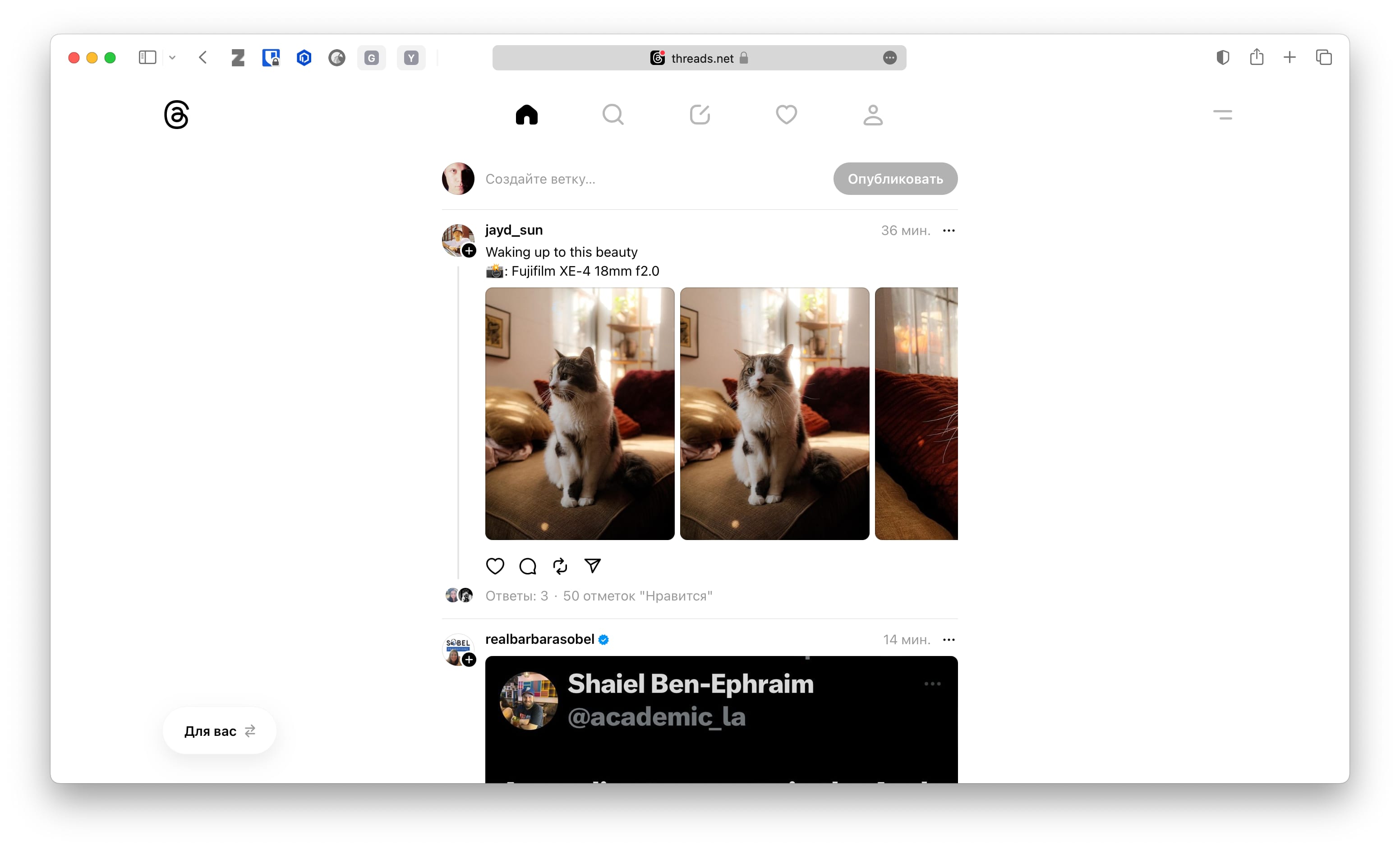
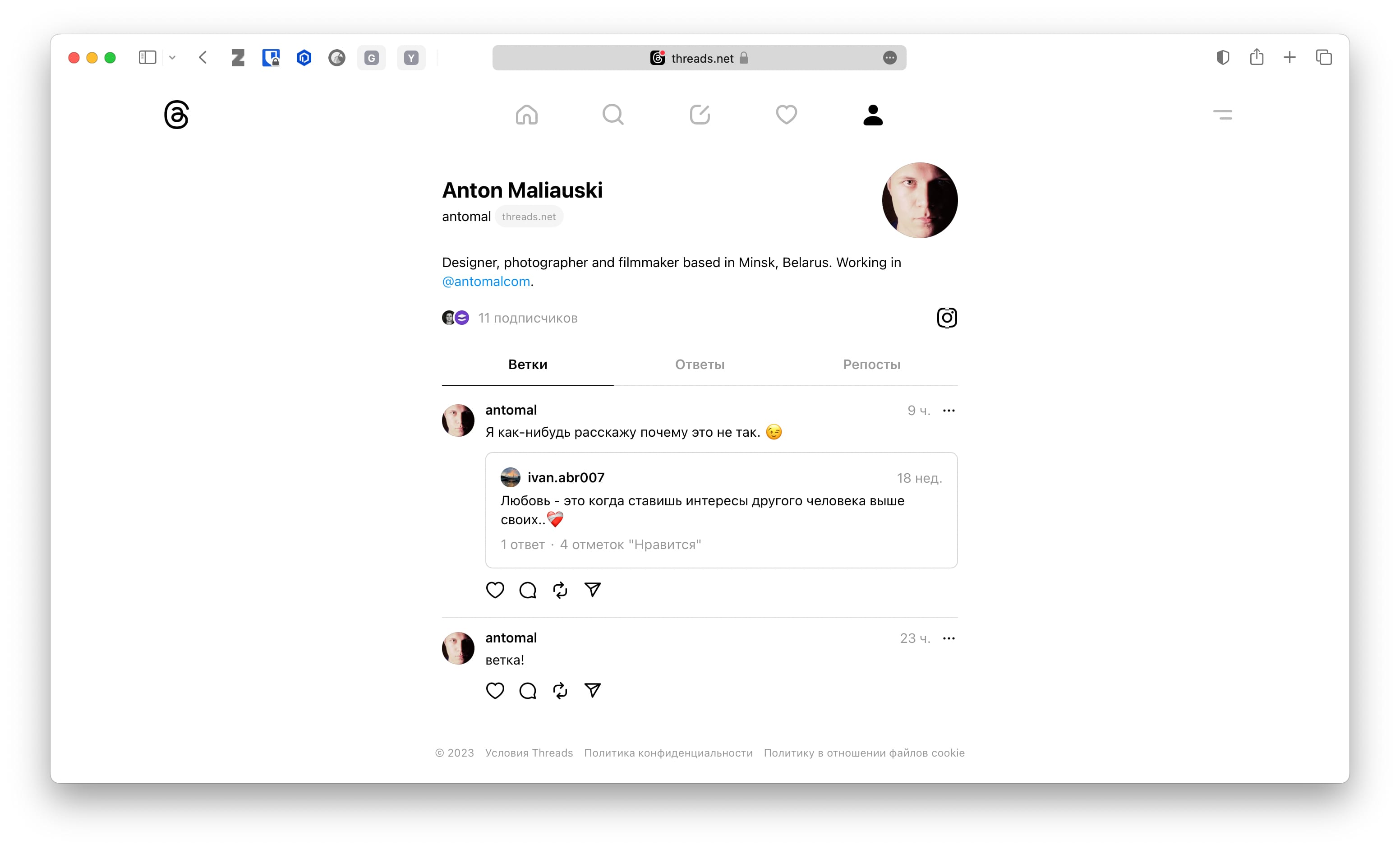
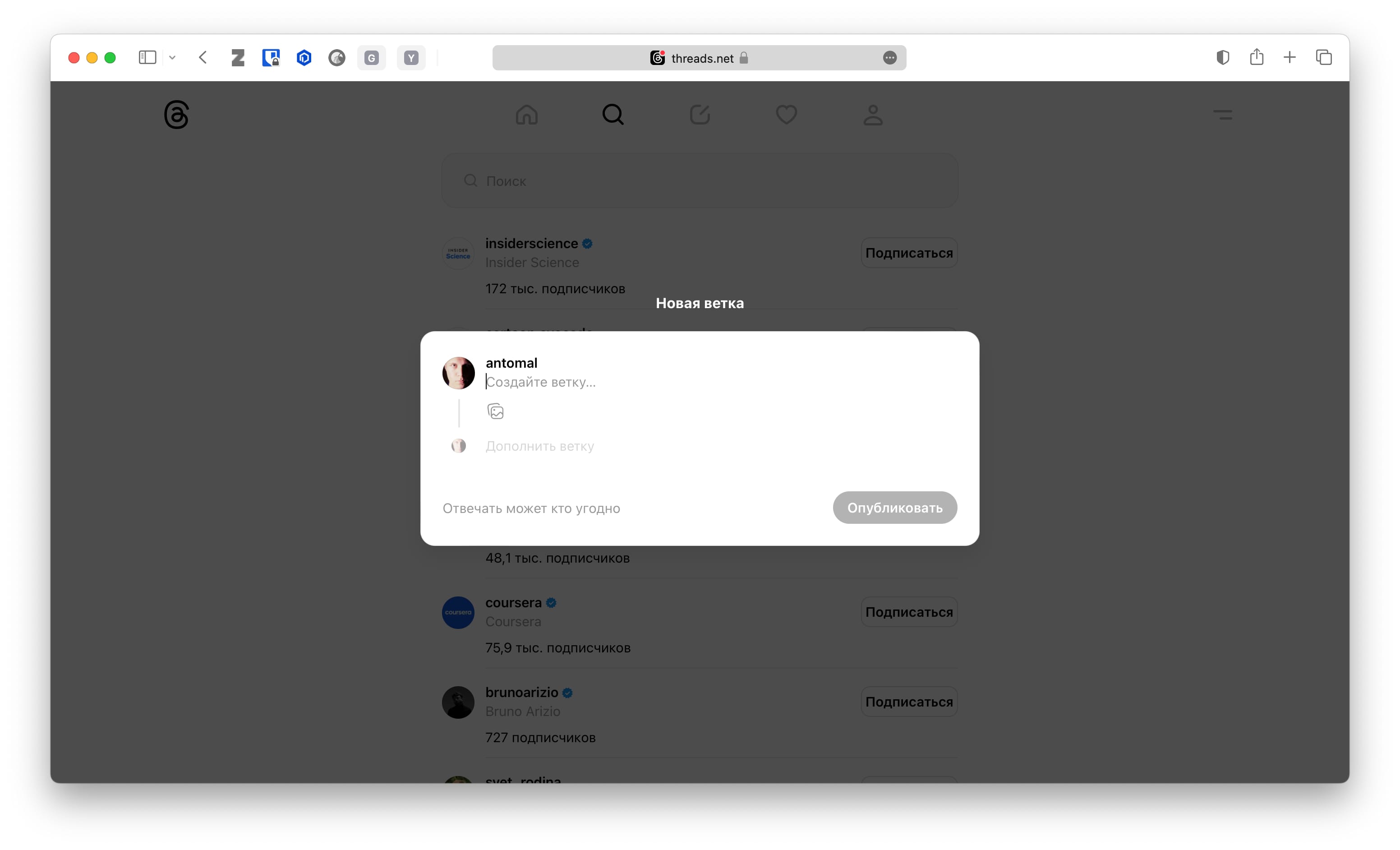
I decided to go to the web version of Threads, but did not expect to see anything new - “Subscribe!”, buttons and menus, more buttons, an important switch, and a lot of important legal information.

But I’m shocked, honestly!

Threads: feed
Home screen. Feed.
Threads: profile
Profile
Threads: creating a message
Creating a message
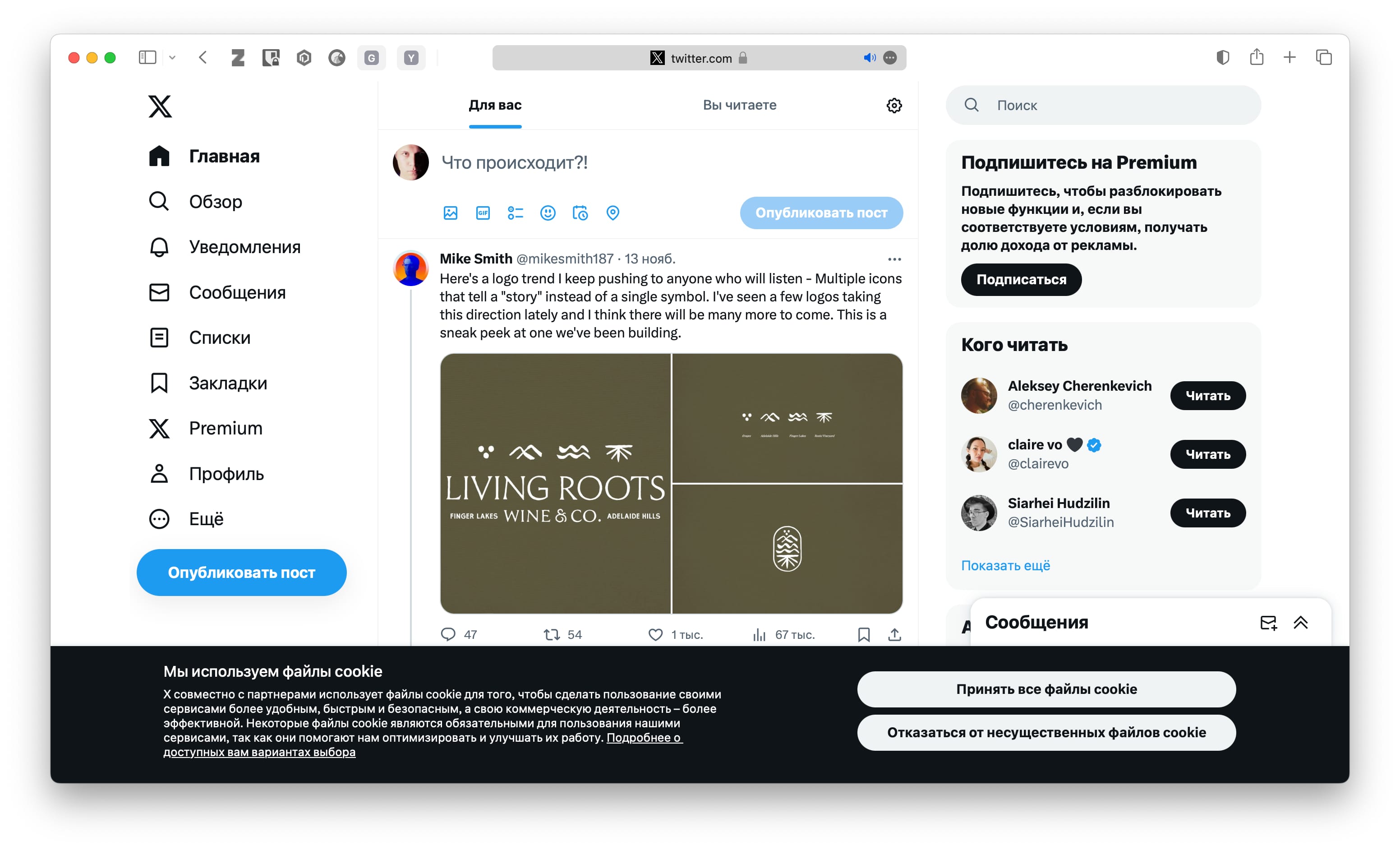
Here, for comparison, is what I see when I go to the X (Twitter) web interface.

Twitter: main screen
Everything is here at once: creating a message (otherwise I might go somewhere), a feed, recommendations, a menu (so you don’t miss), messages, a call to subscribe, legal information (so you don’t get bored).

Unfortunately, I think that it won’t be this good for long and soon designers will start adding more and more of everything. Now minimalism supports the main function of Threads - it allows you to read and write - design in the user’s world. I can see how quickly Meta will spoil it.

« Earlier
Later »