Designer. Based in Minsk. I’m building Cards (crds) — an instrument for daily return to what matters. Writing in a blog, talking about my design projects, creating artifacts, photographing and filming, recording sounds, exploring reality through a layer of electronic music under the name WORKONYOU.


The first release by WORKONYOU. A thirteen-minute drone ambient composition that emerged from the space of „Labyrinth“ as its sonic trace.
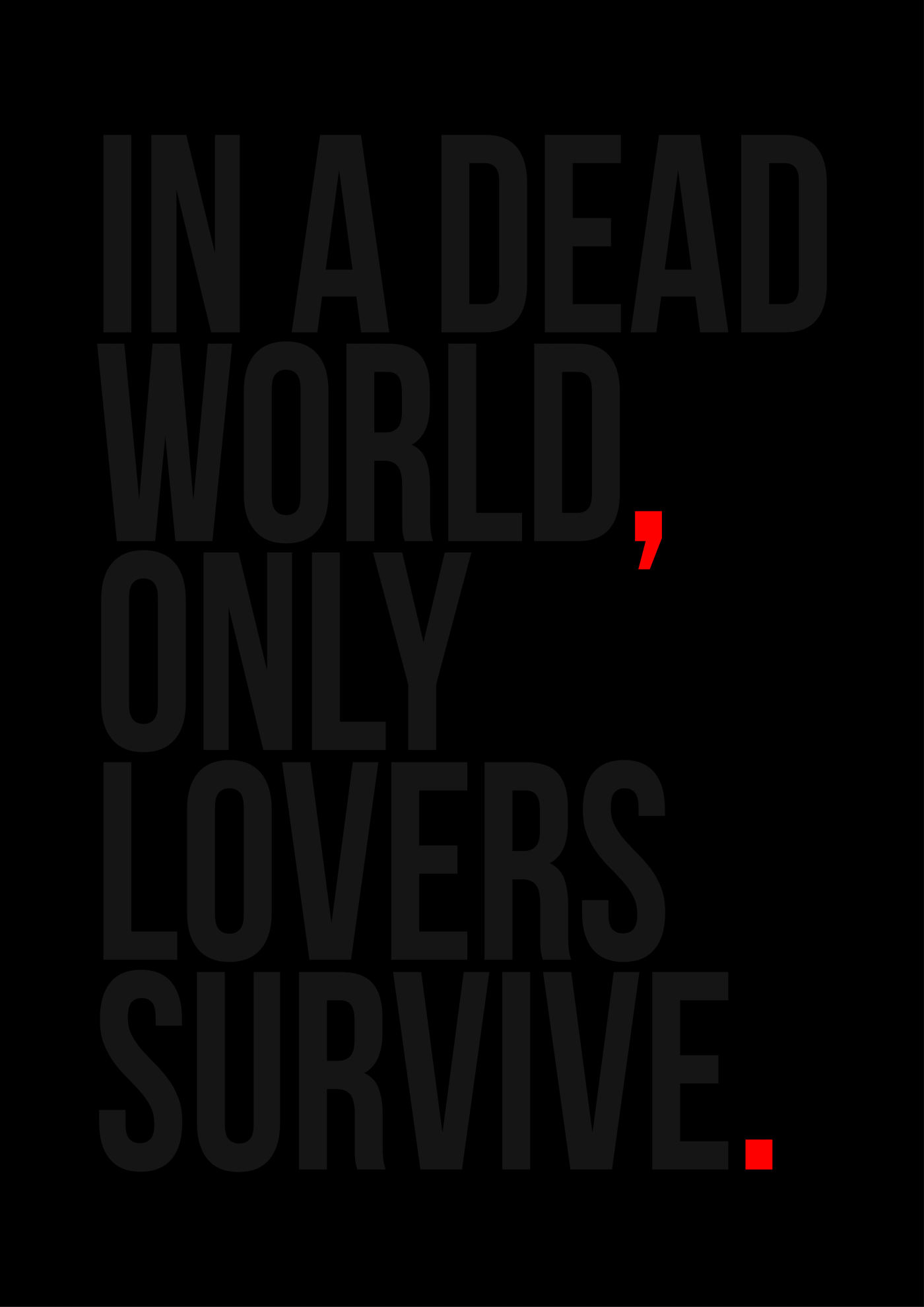
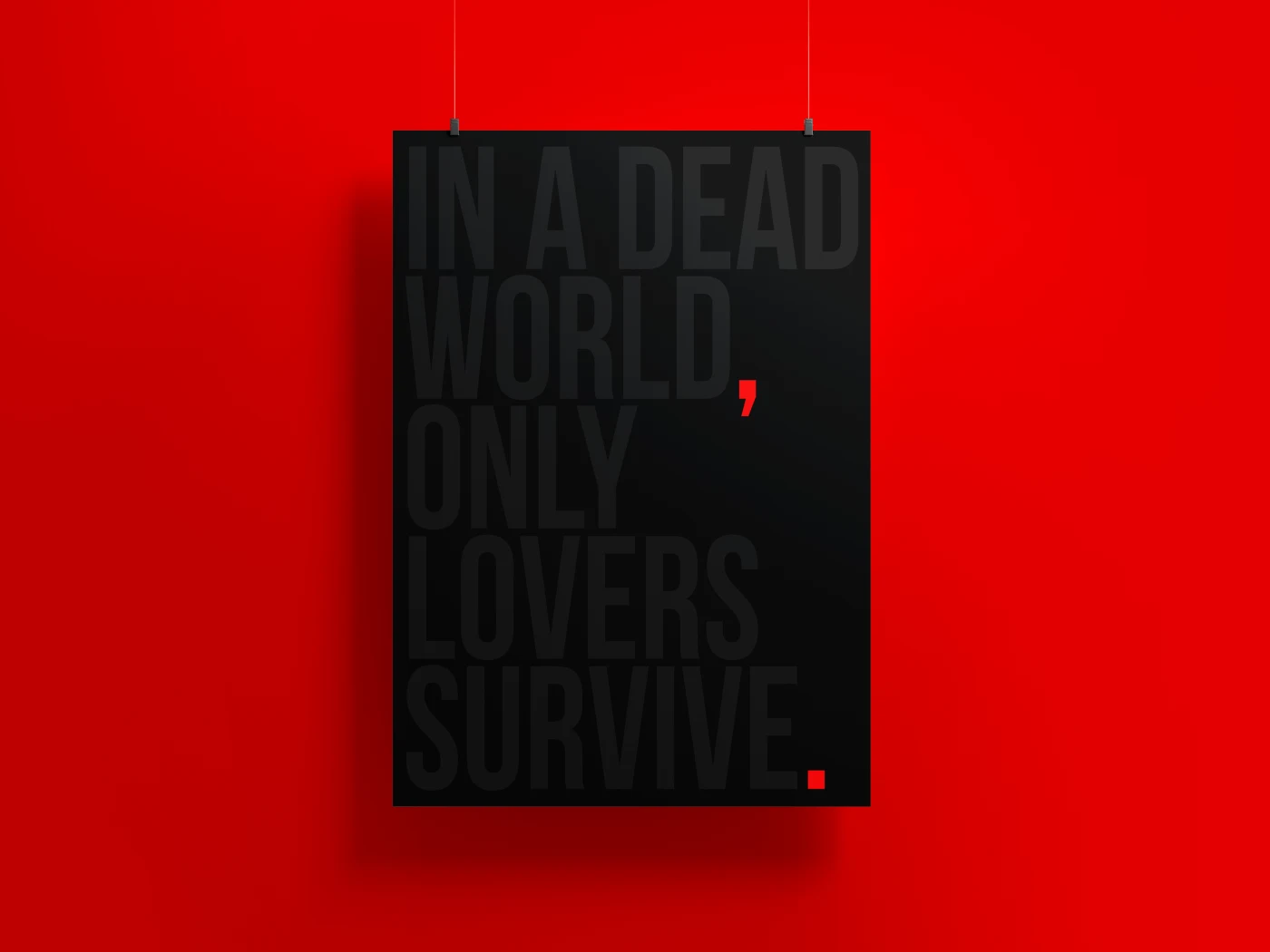
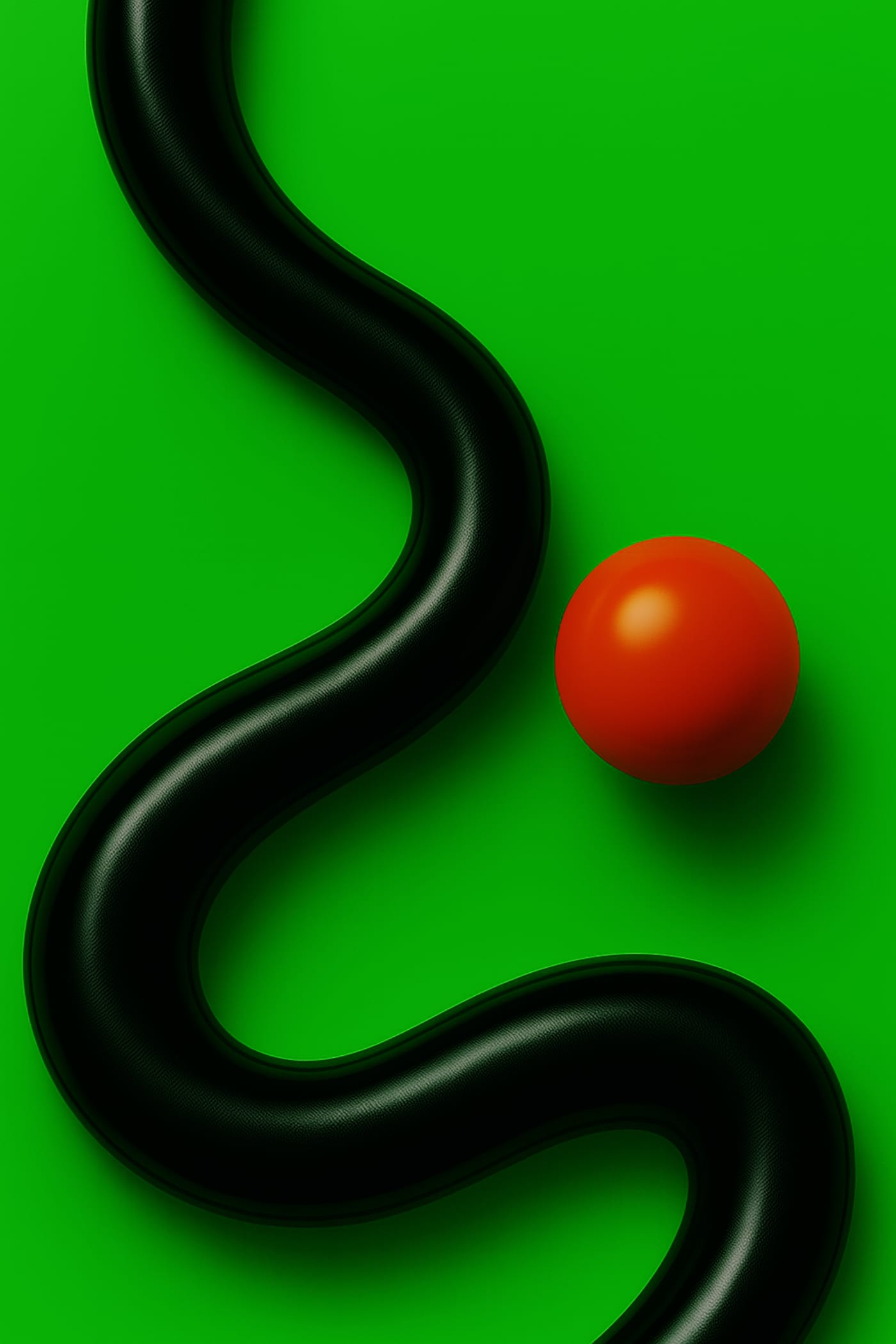
Title, concept, and visual identity of Denis Orlov’s novel.
This is a novel about a man who follows an elusive goal. His movement becomes a form of existence and a way not to disappear. He lives in a new environment where the familiar has lost its shape. The world around him loses density, turning into a network of reflections and surfaces. Reality feels like a program, and its glitch holds the memory of the past. He is not looking for an answer but for the sensation of purpose, like a snake reaching toward a point that cannot be caught.
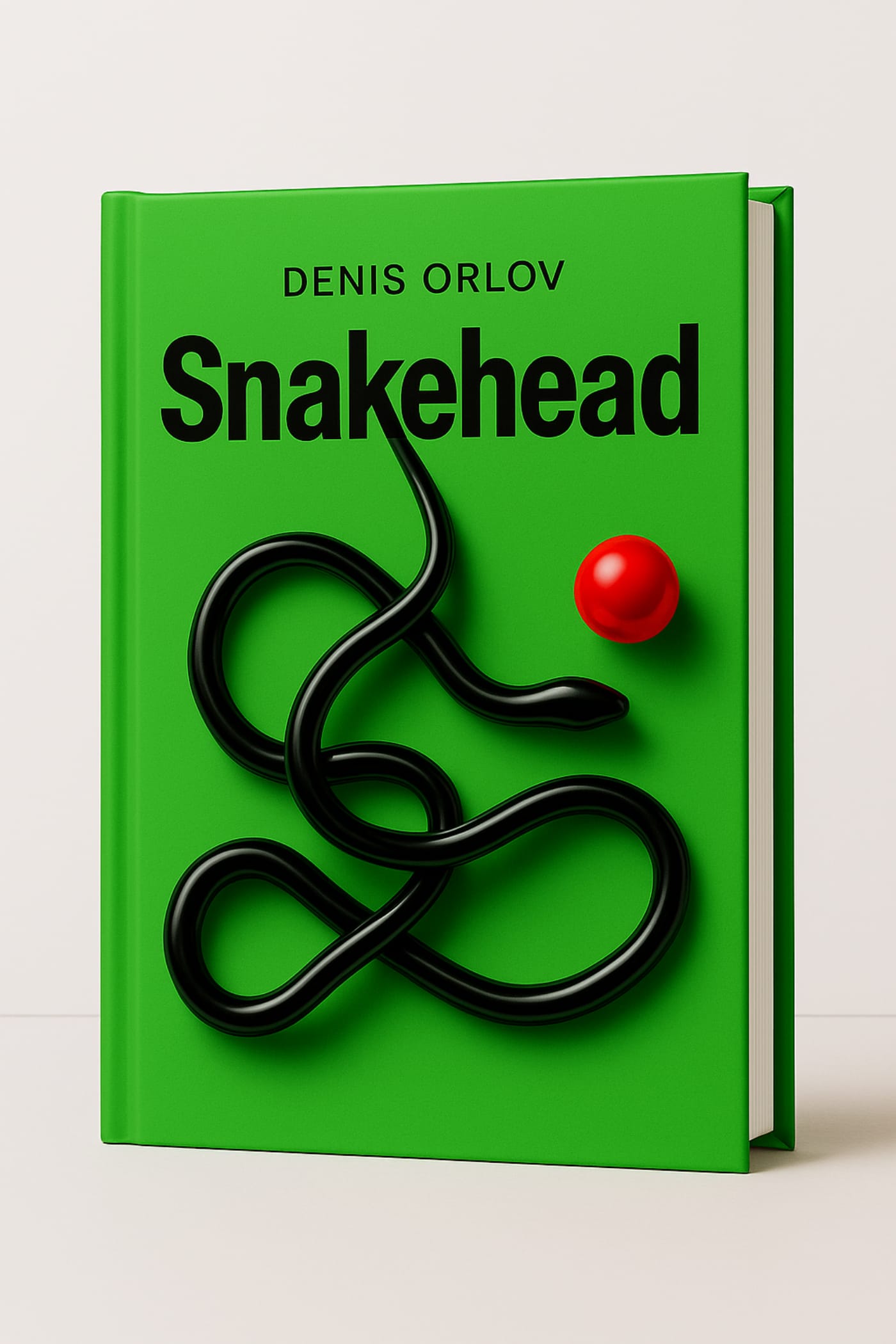
Usually a designer joins the process when the idea is already complete and only the text needs to be shaped. Here it’s different. At an early stage, we work with the author to identify the story’s core, define its axis and title. From this foundation emerges the concept, which evolves into a visual language and image that set the direction for the novel.
The cover and visual imagery are not decoration. They are part of the statement, the same line that resonates in the text. The visual code makes meaning visible, giving the story form and a point of entry for the reader.
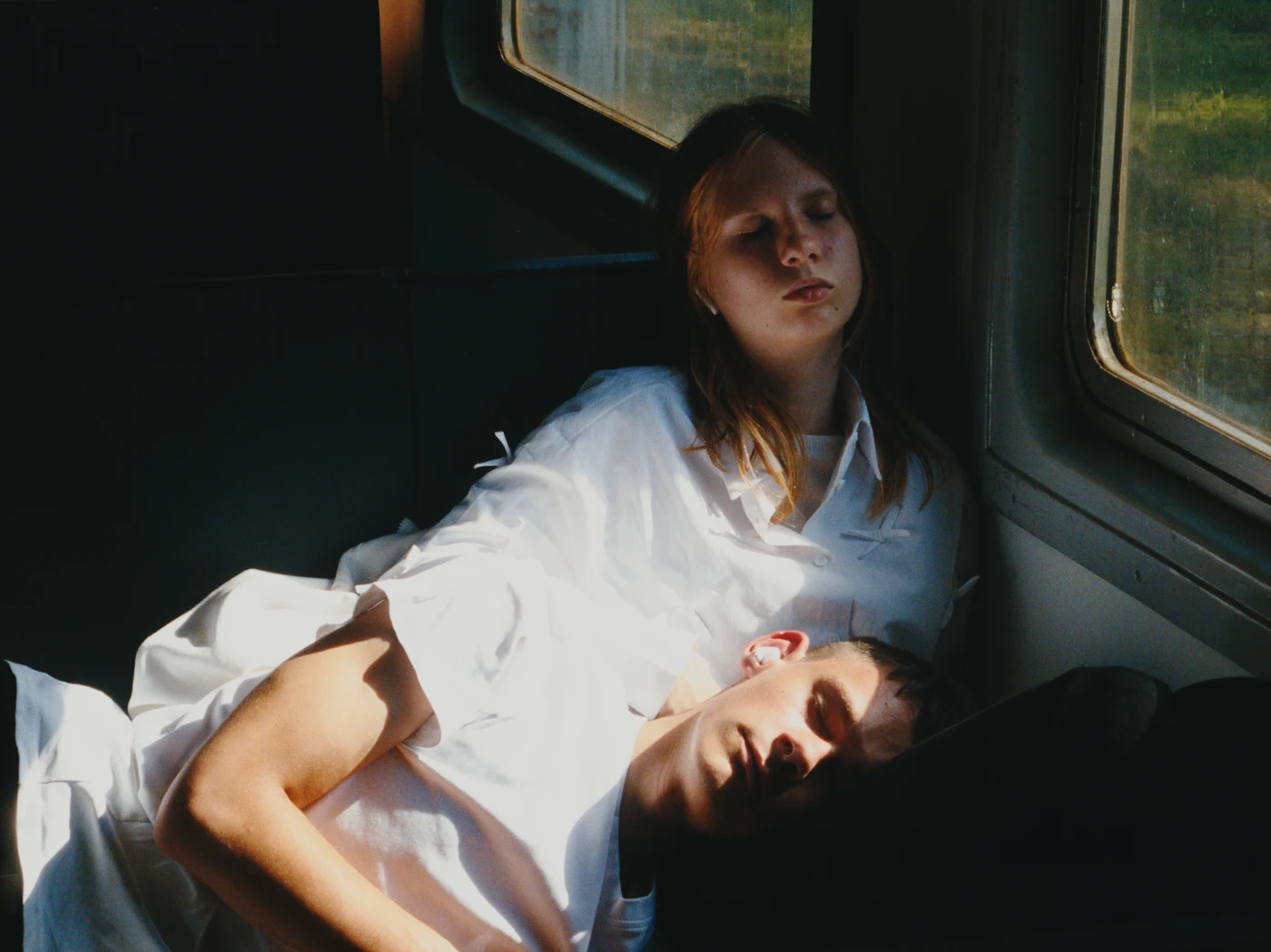
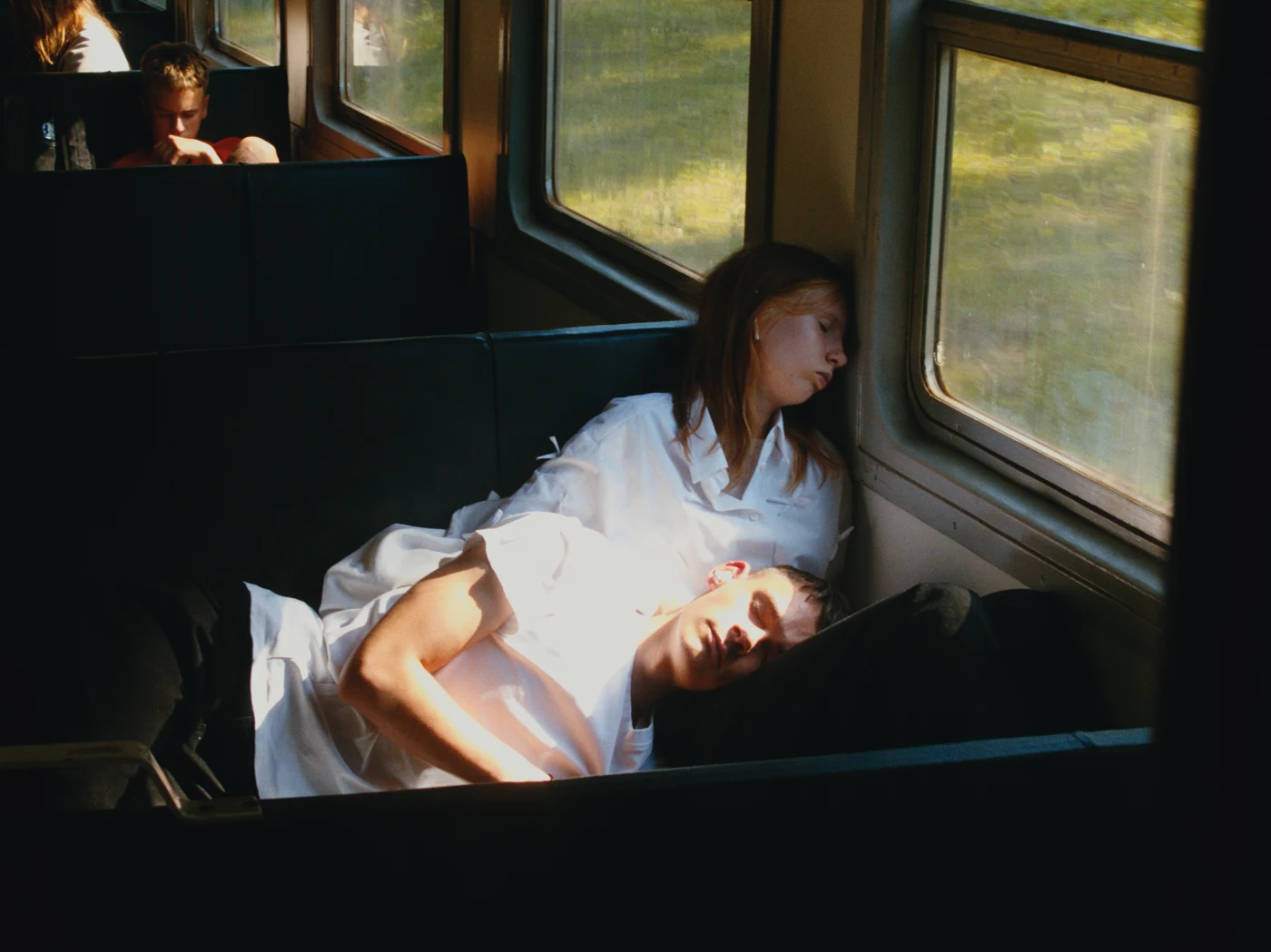
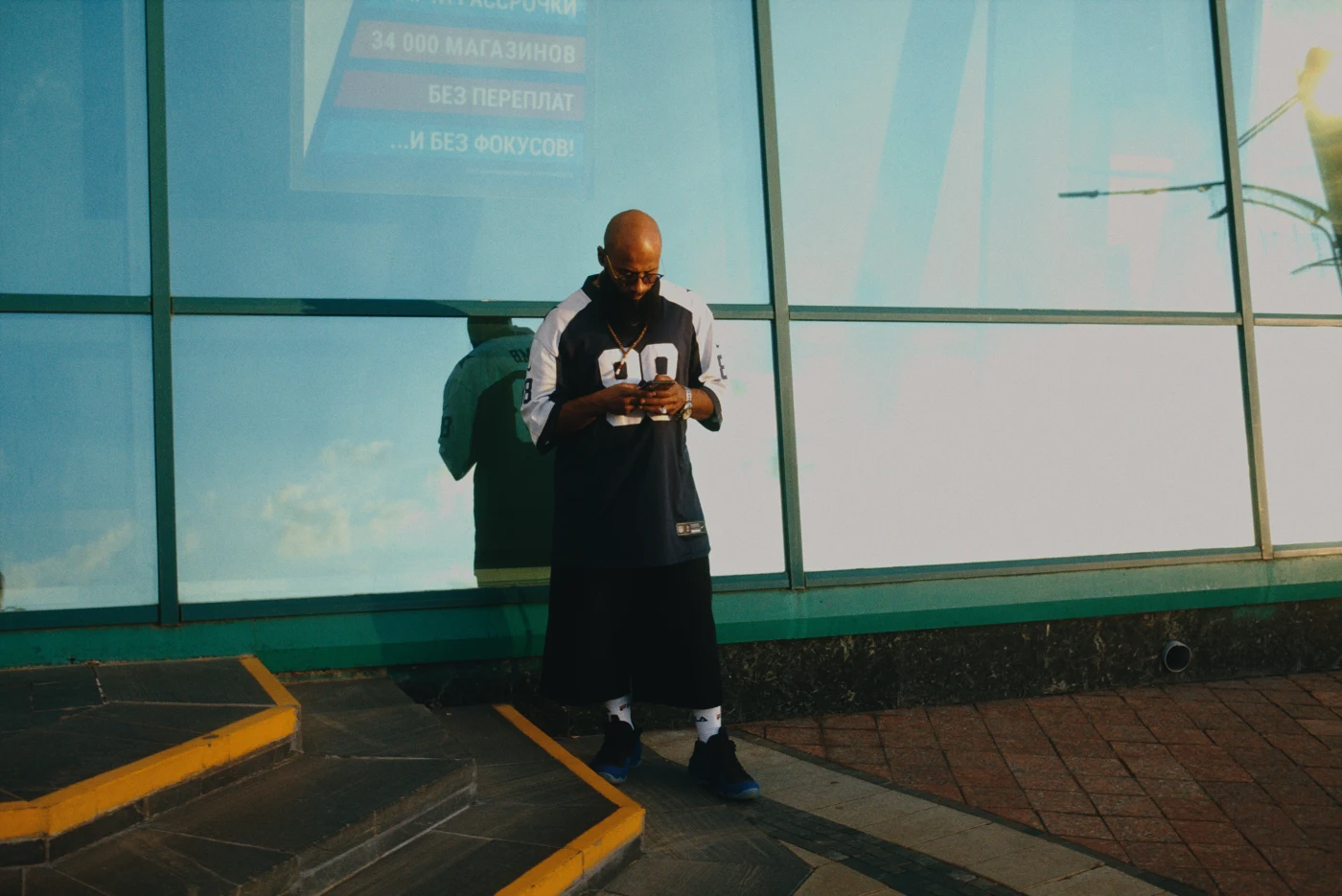
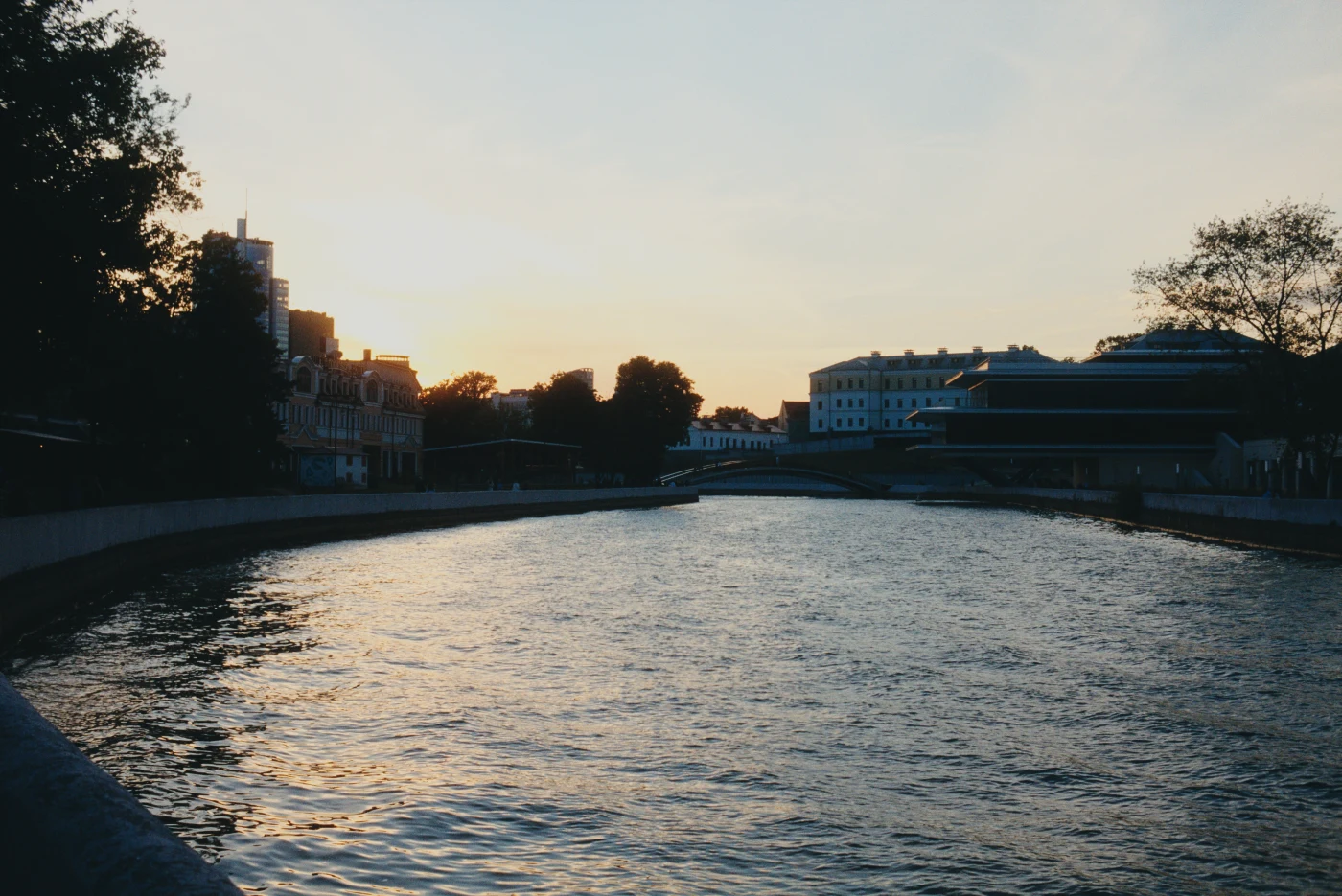
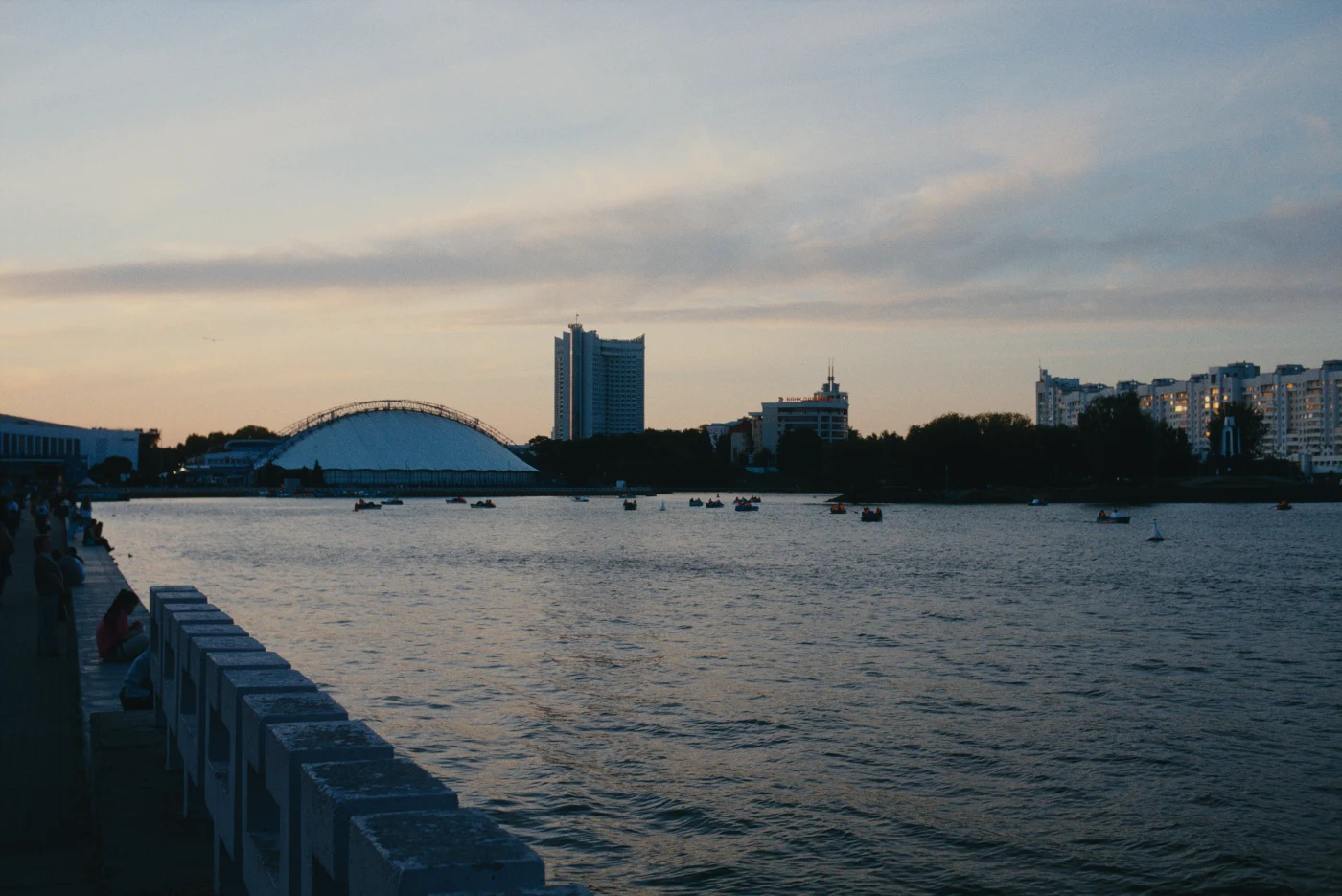
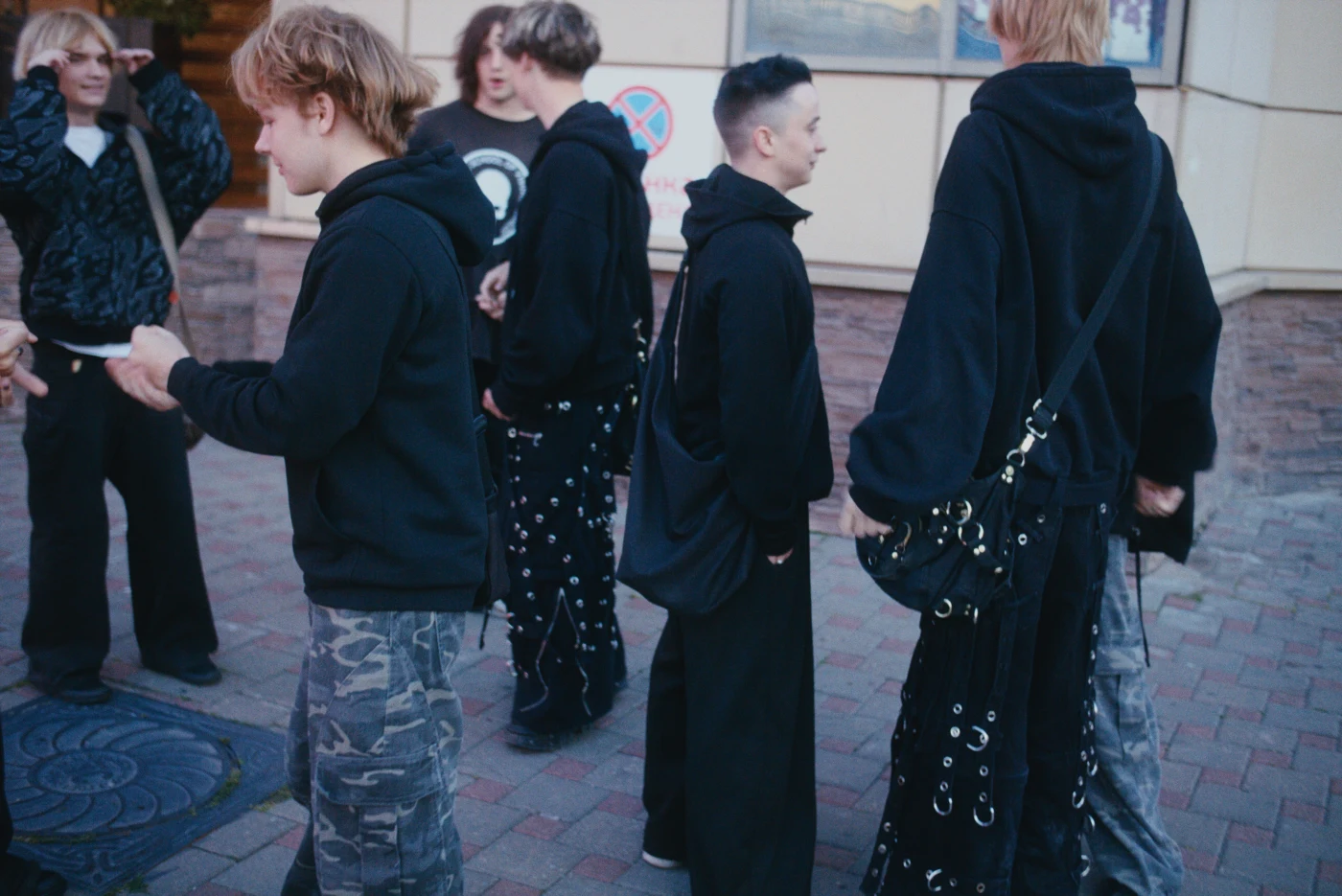
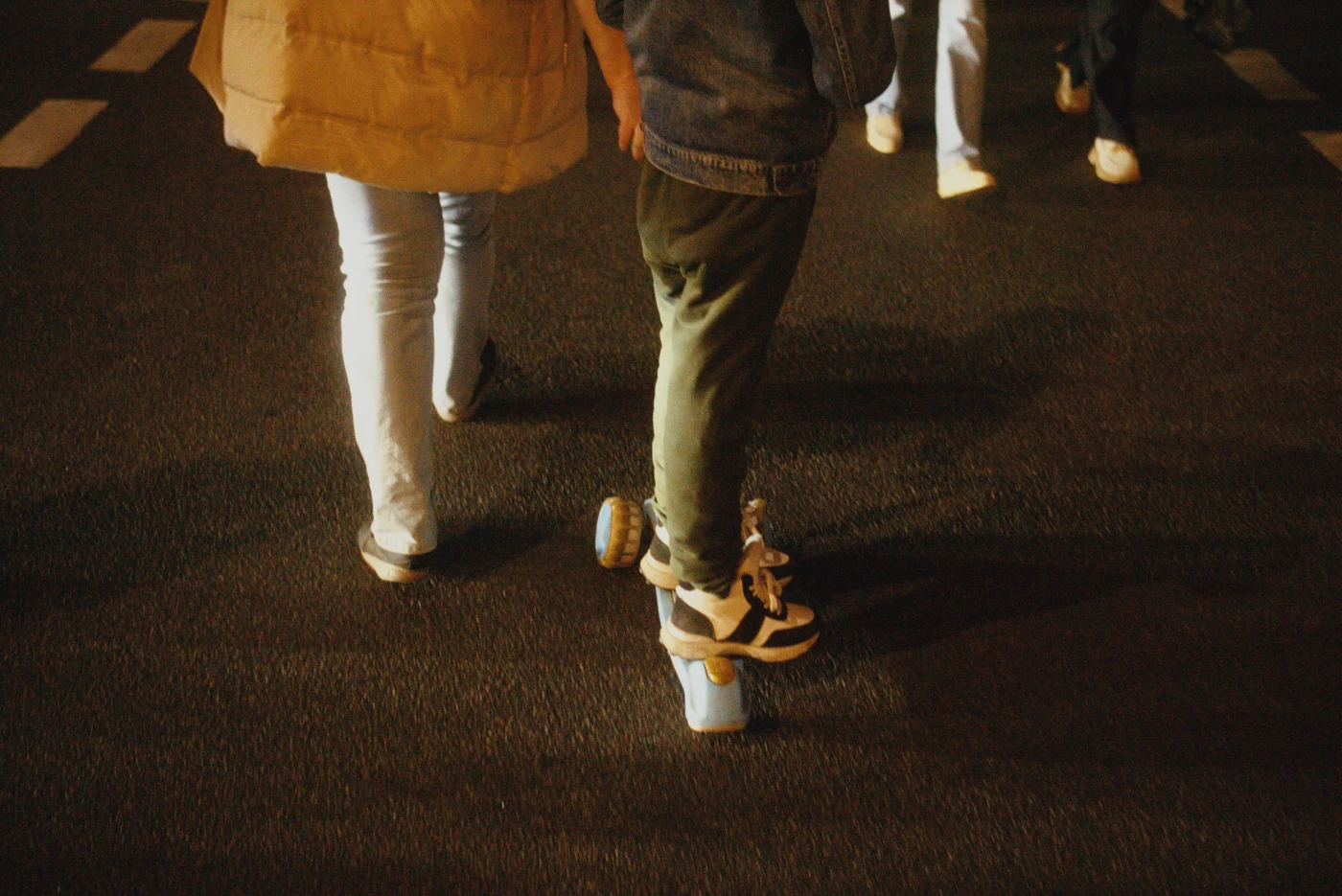
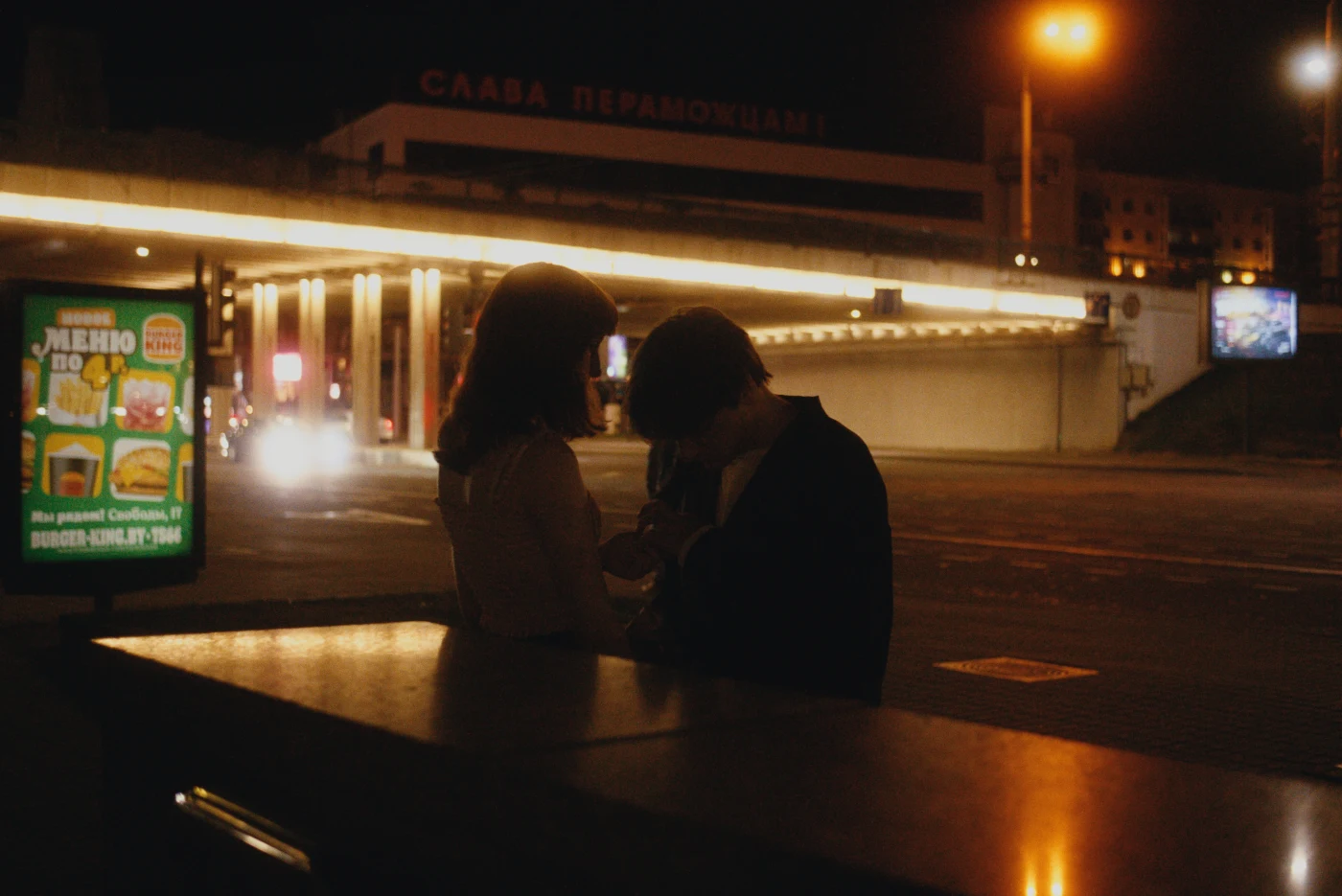
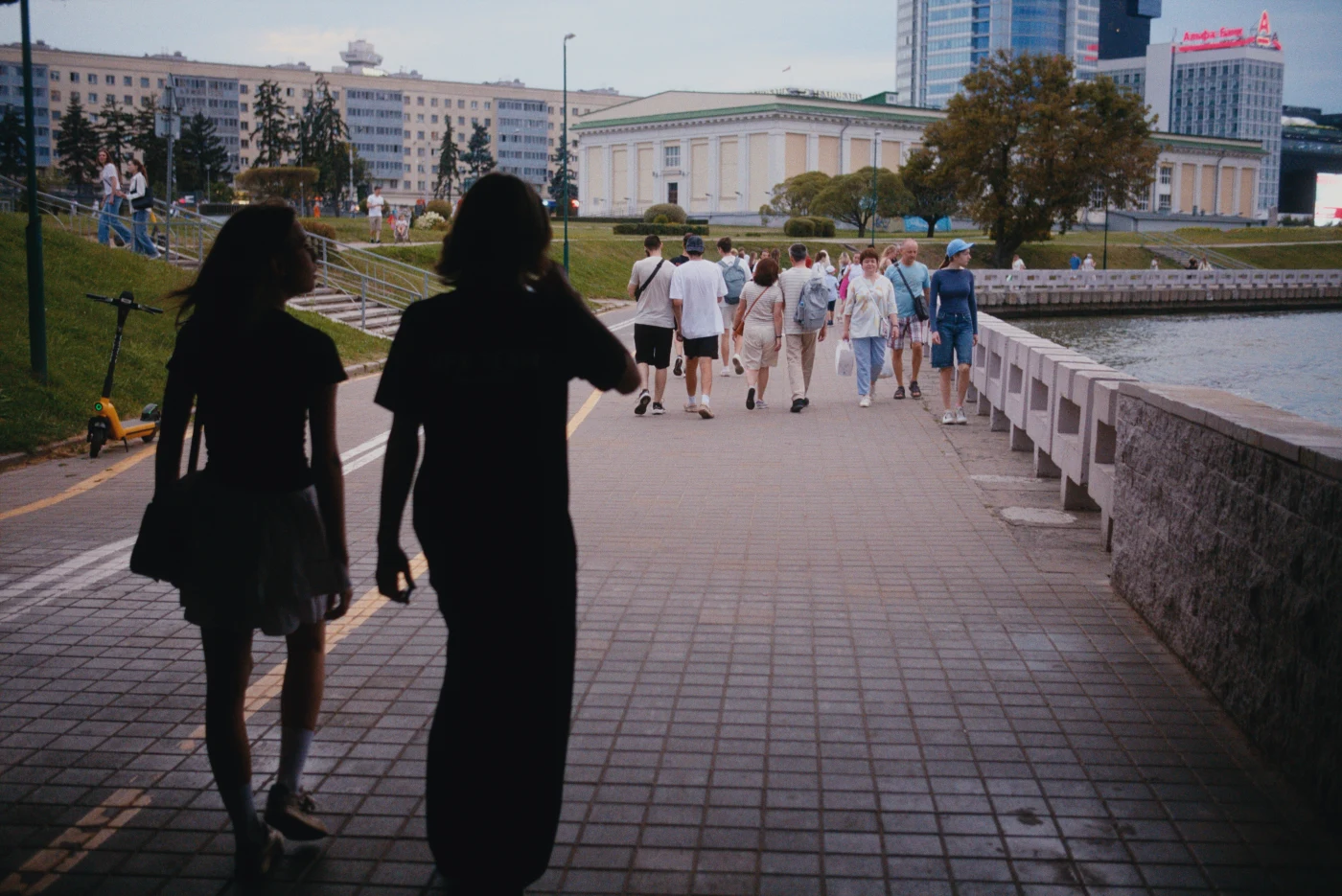
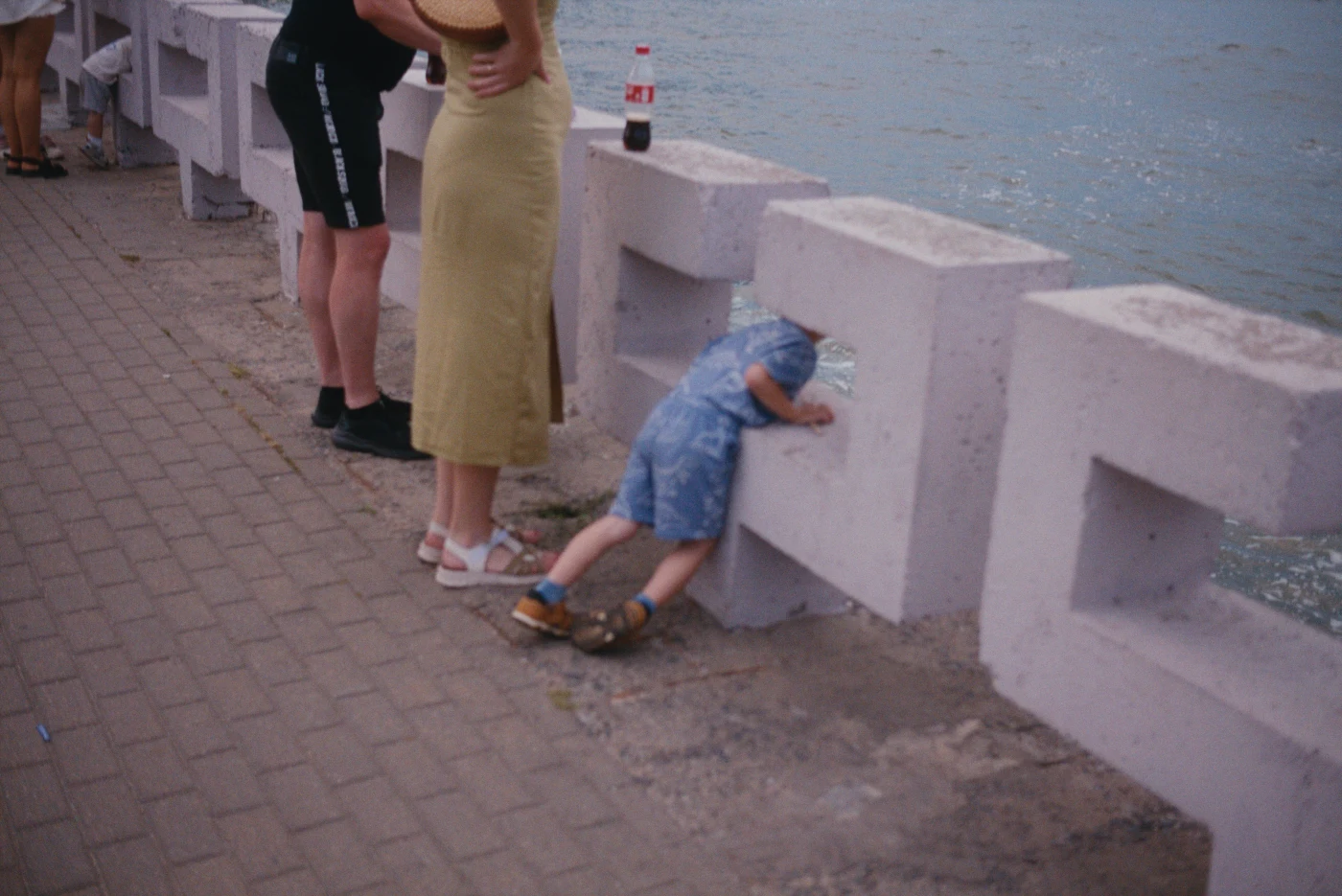
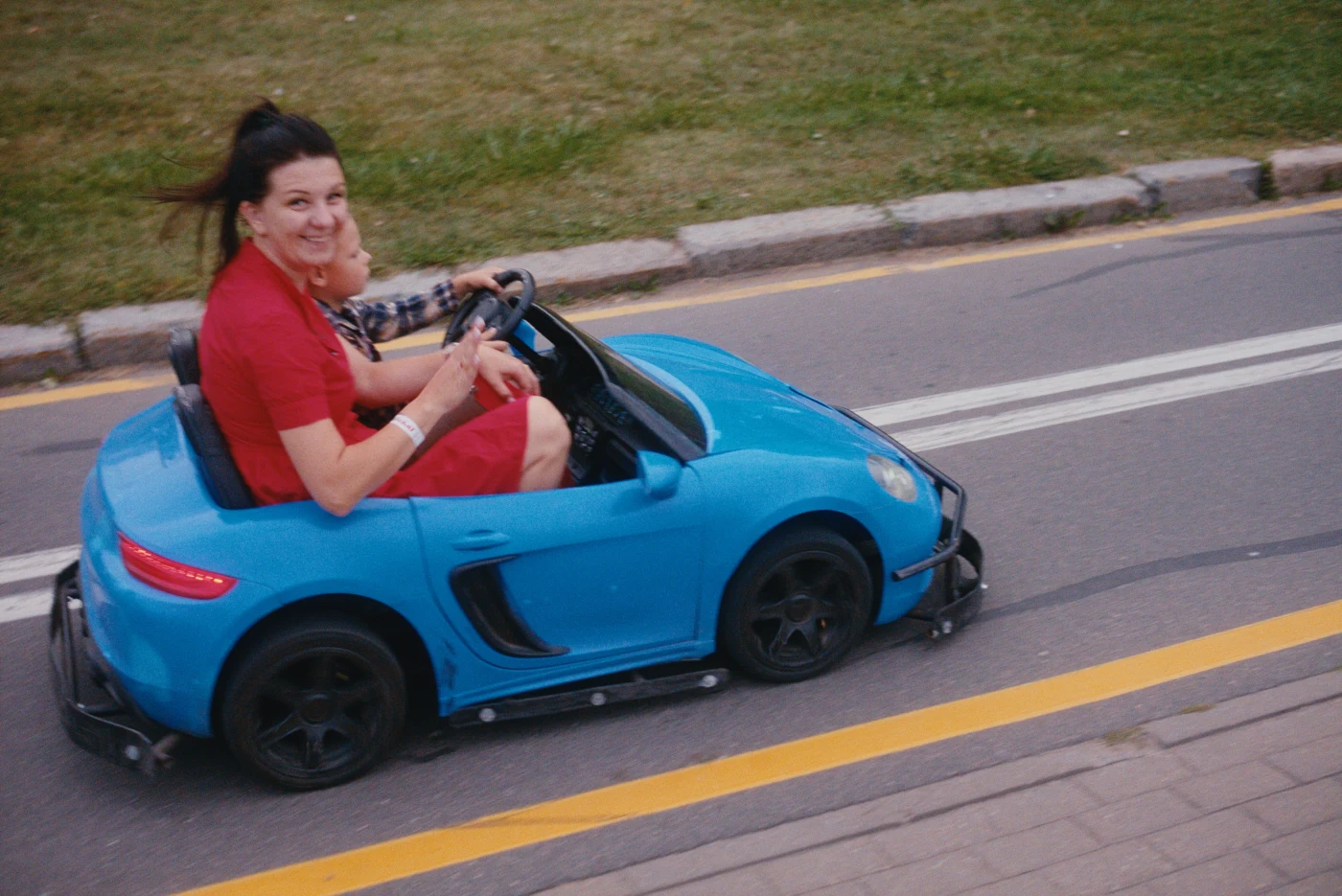
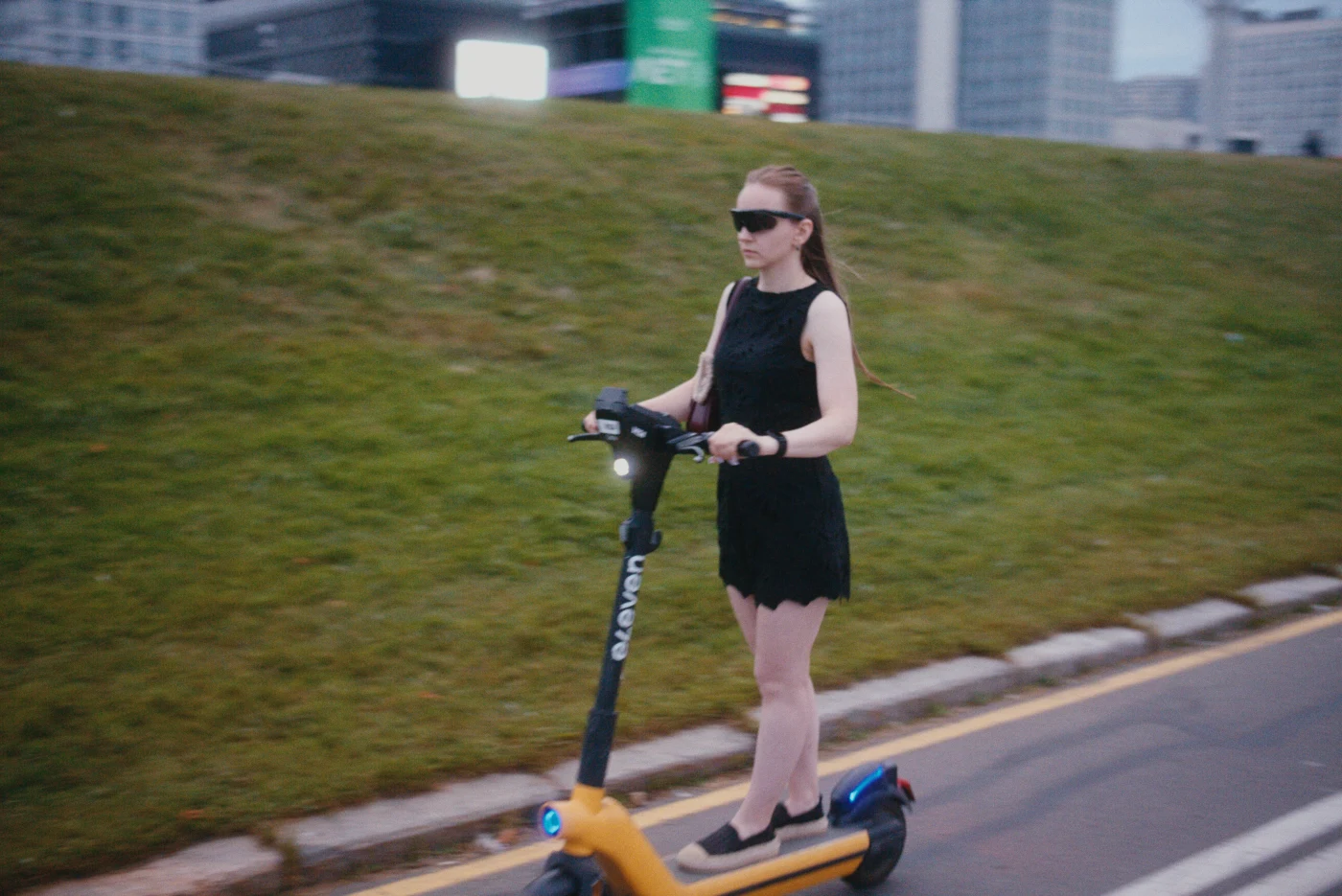
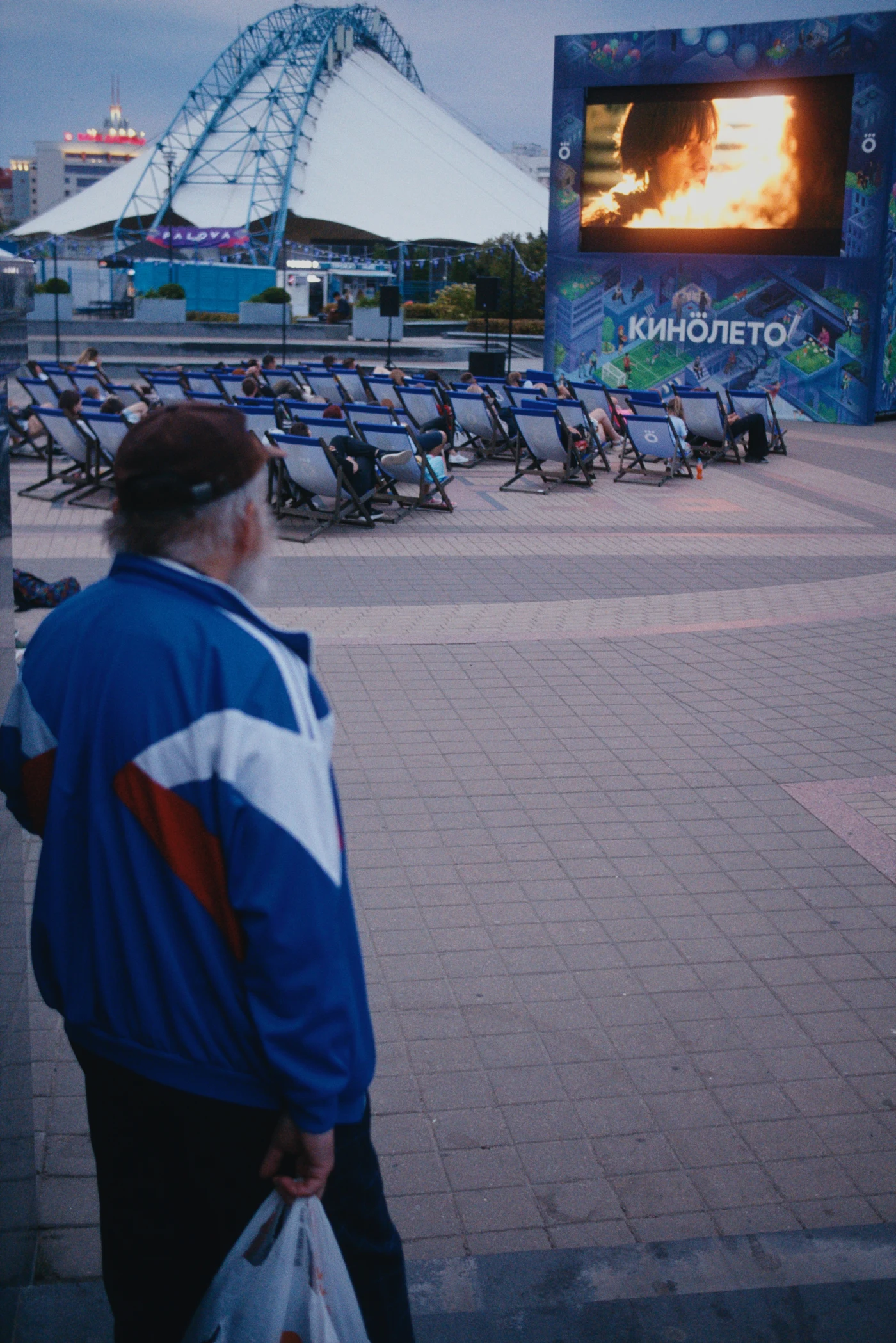
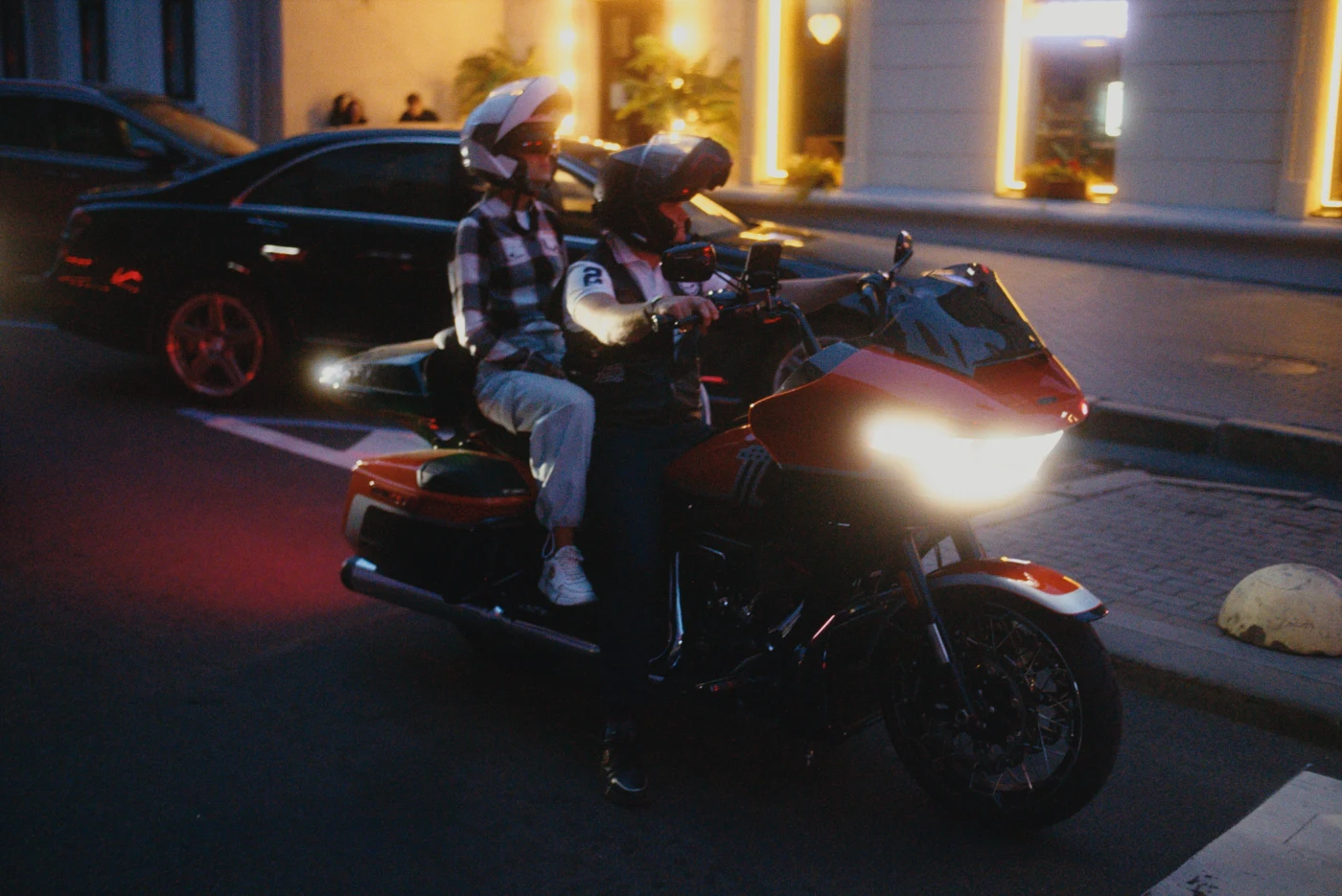
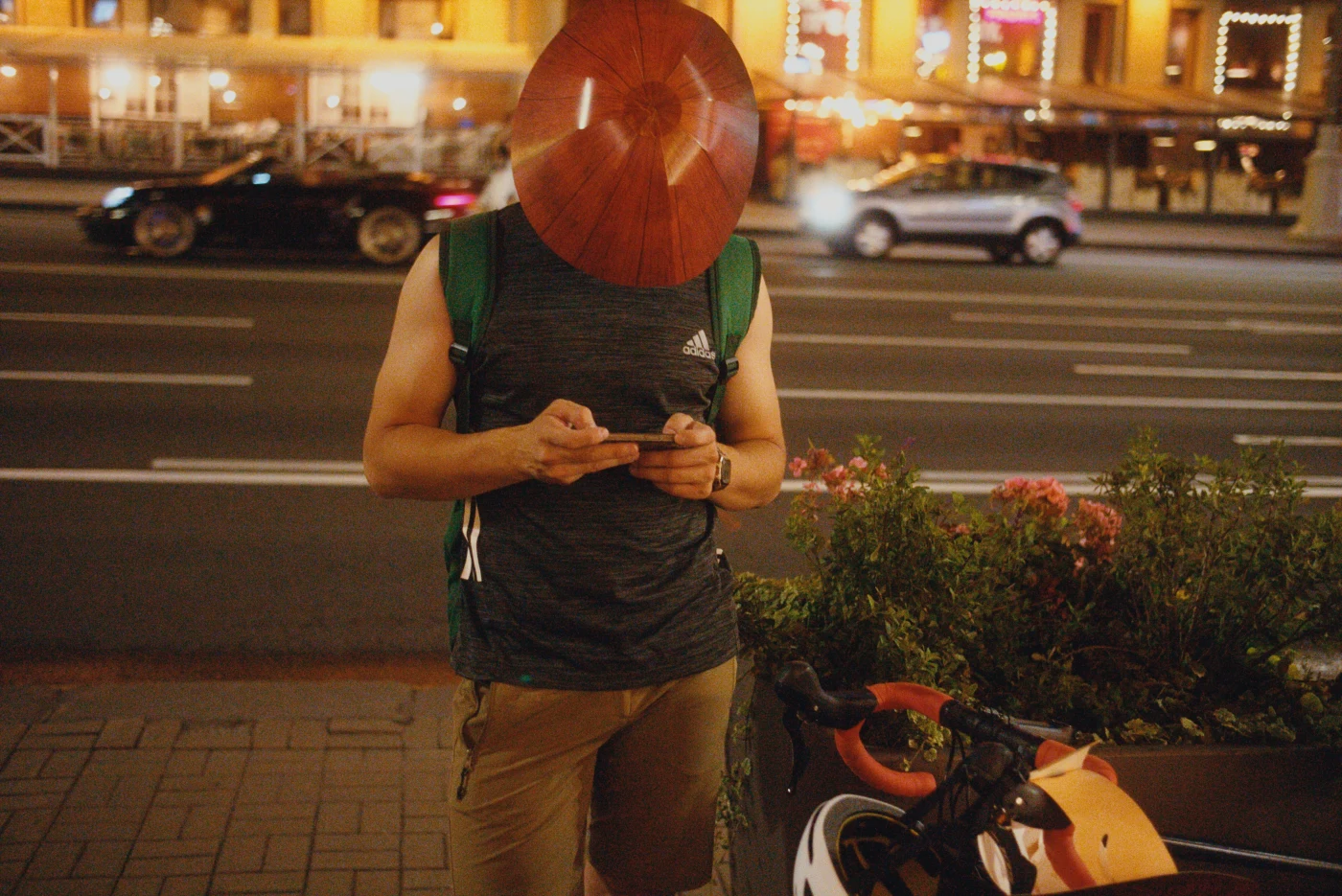
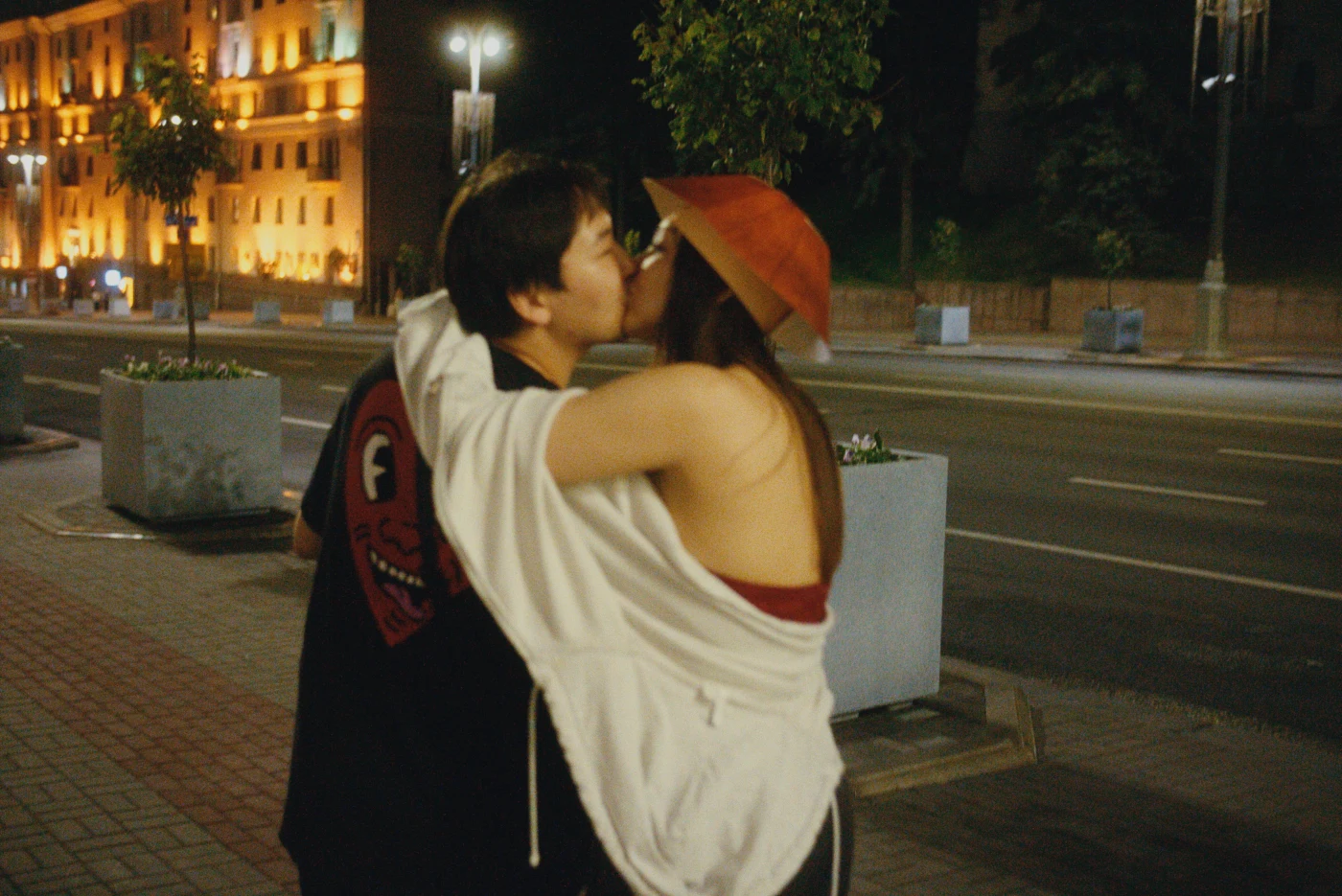
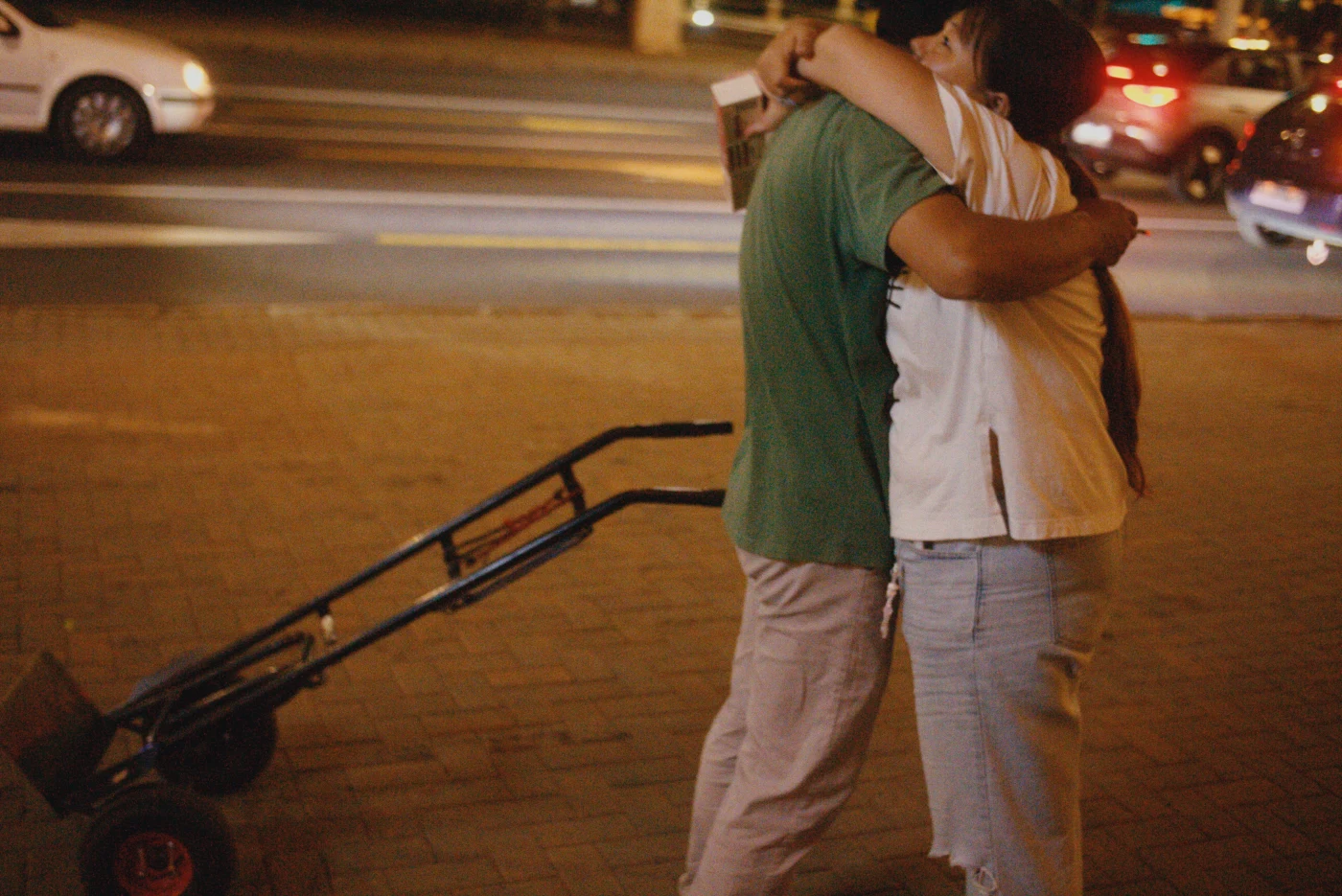
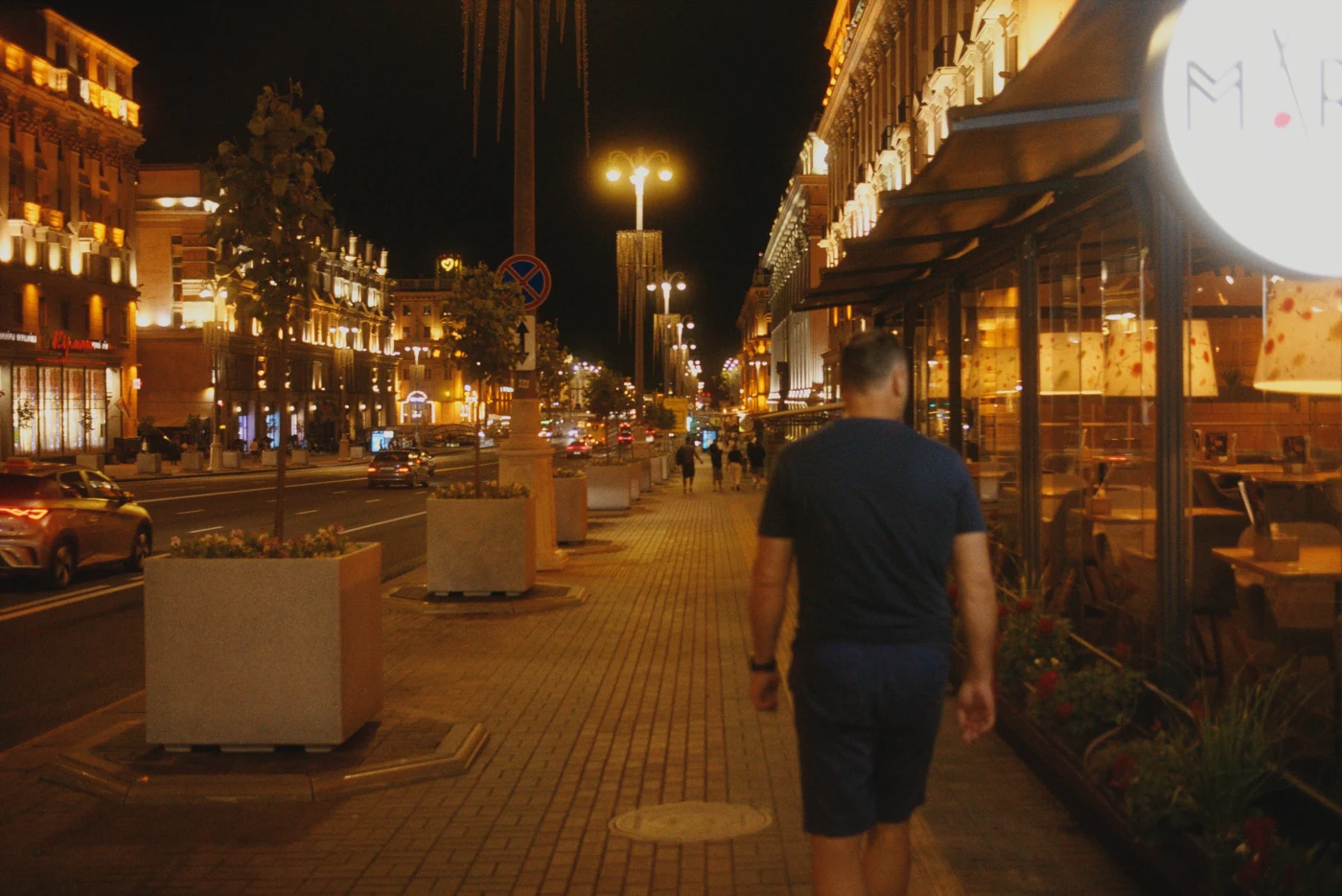
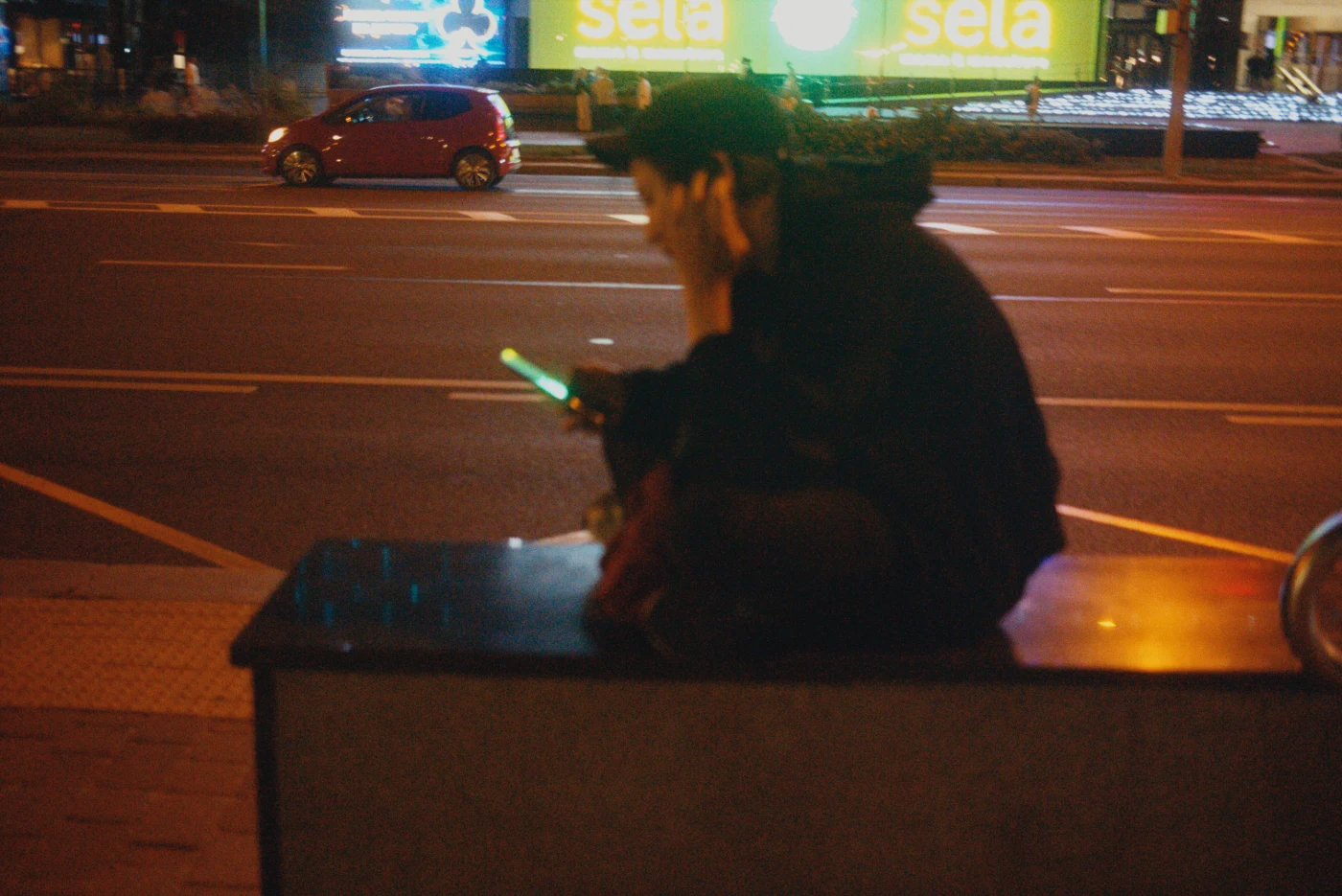
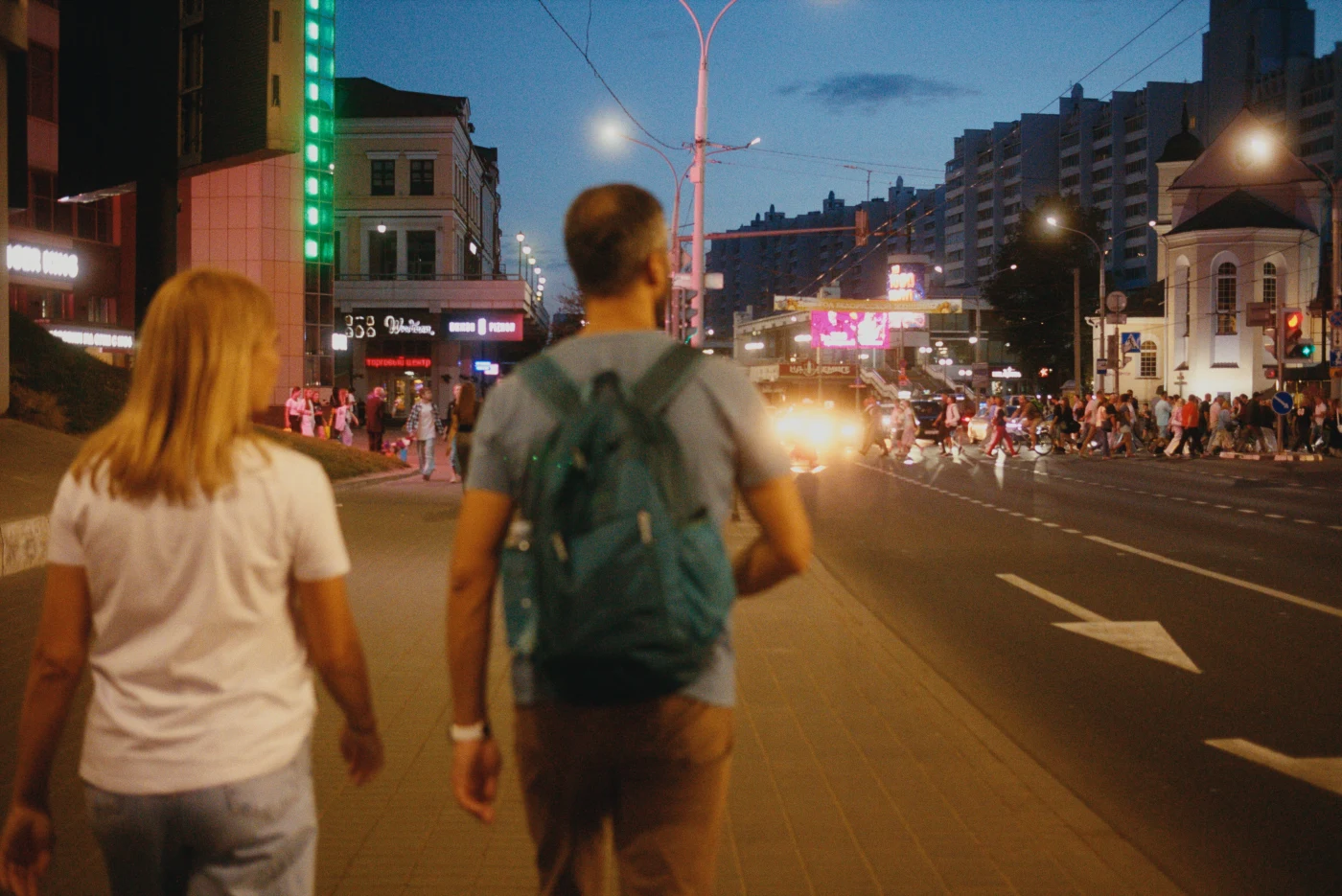
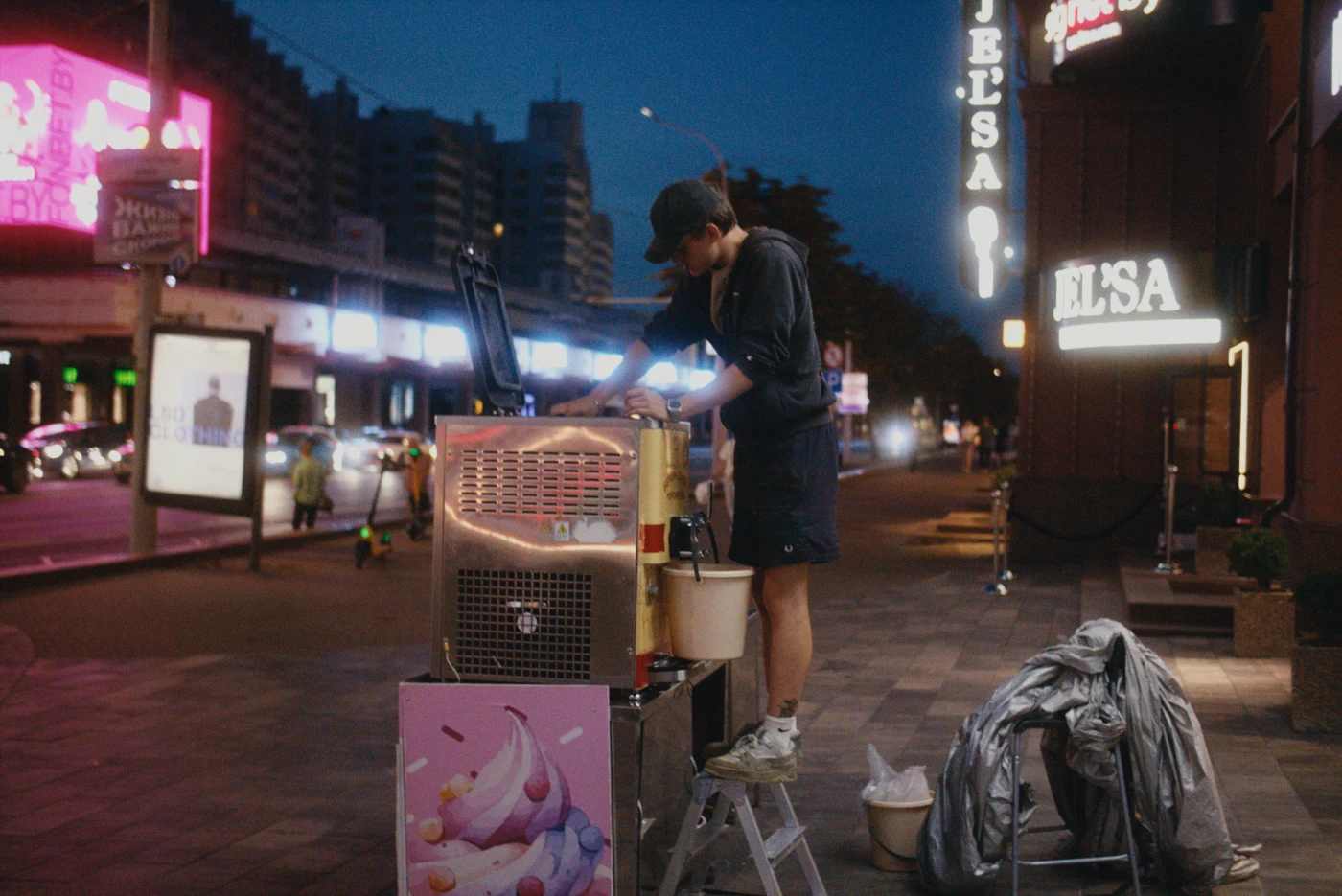
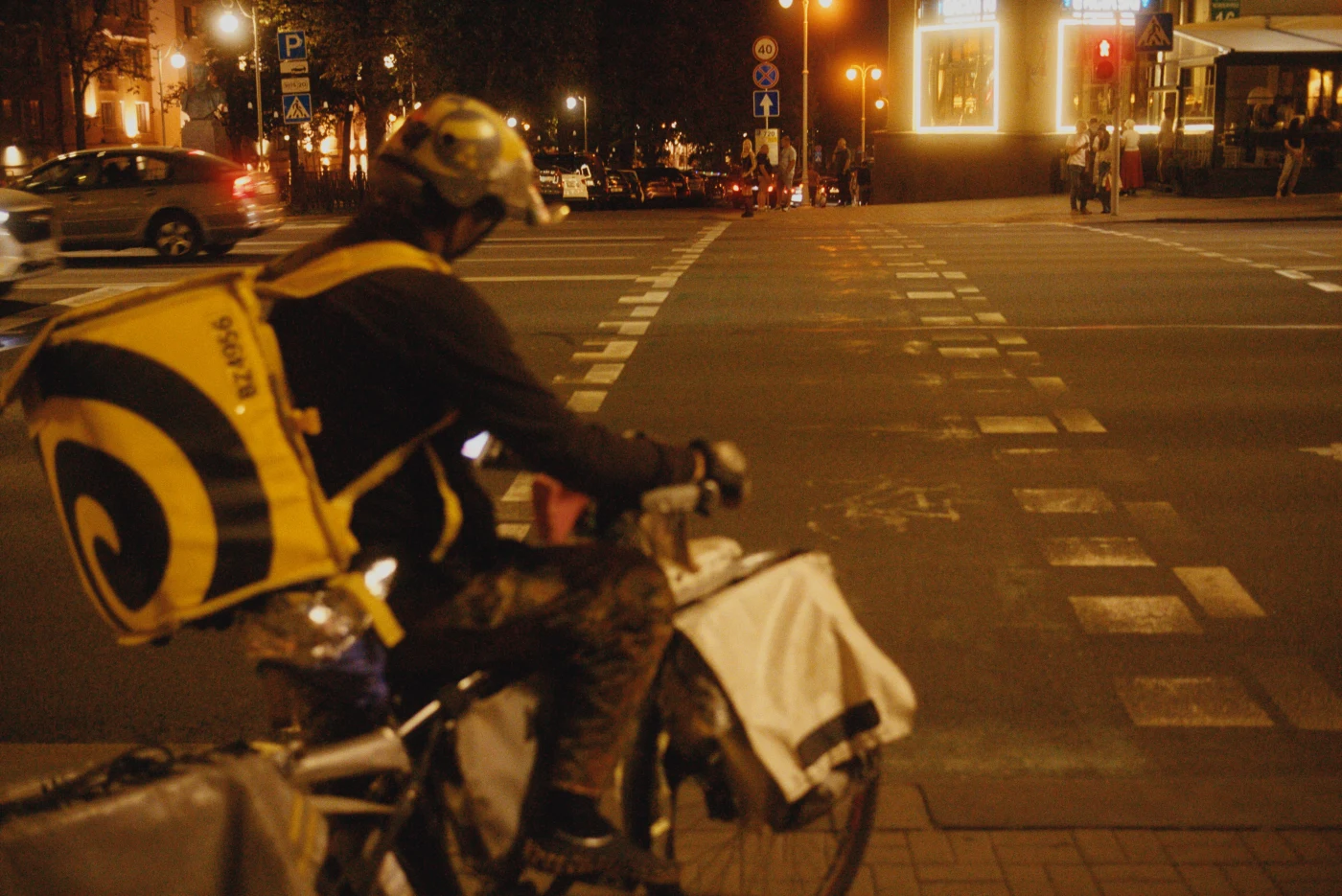
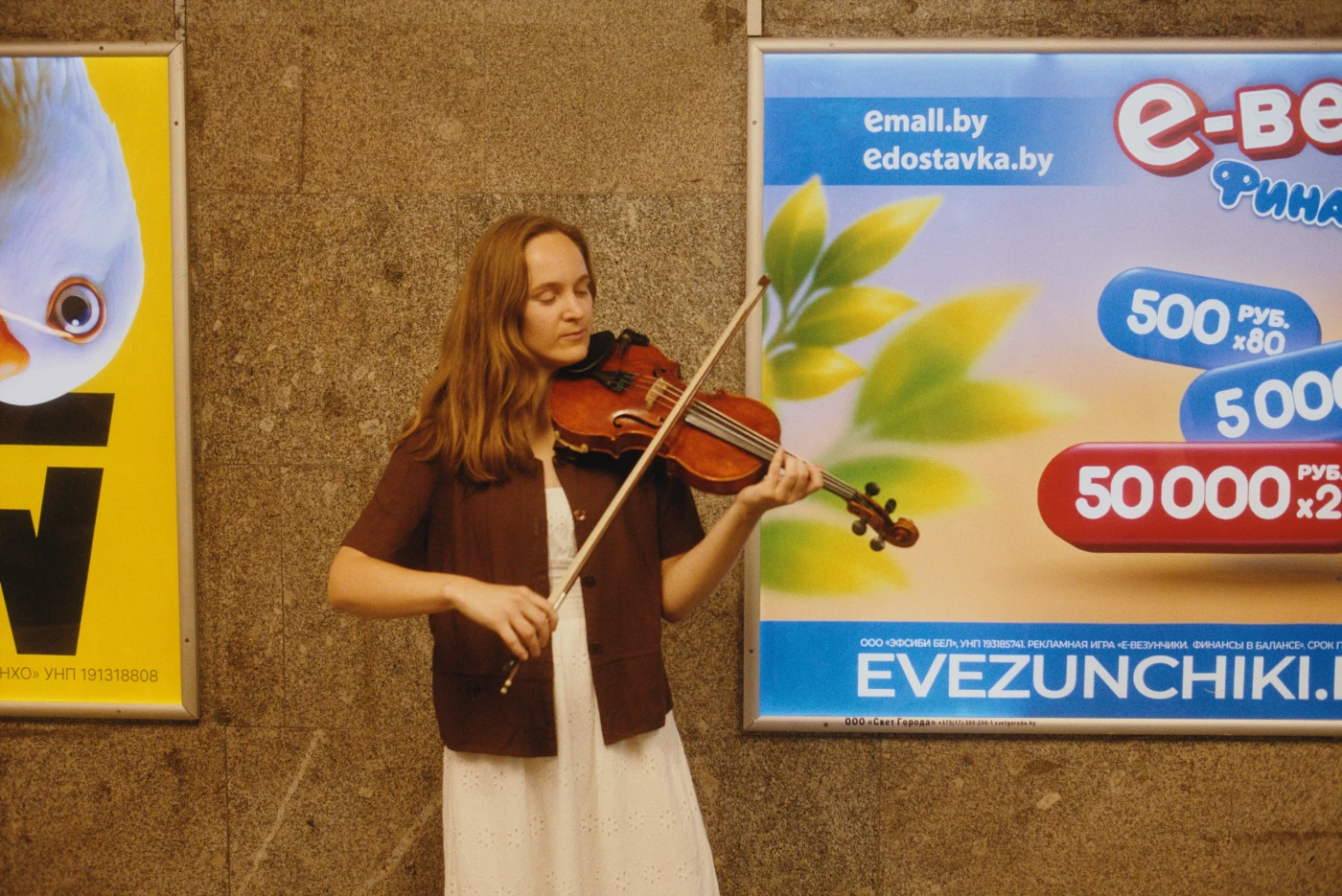
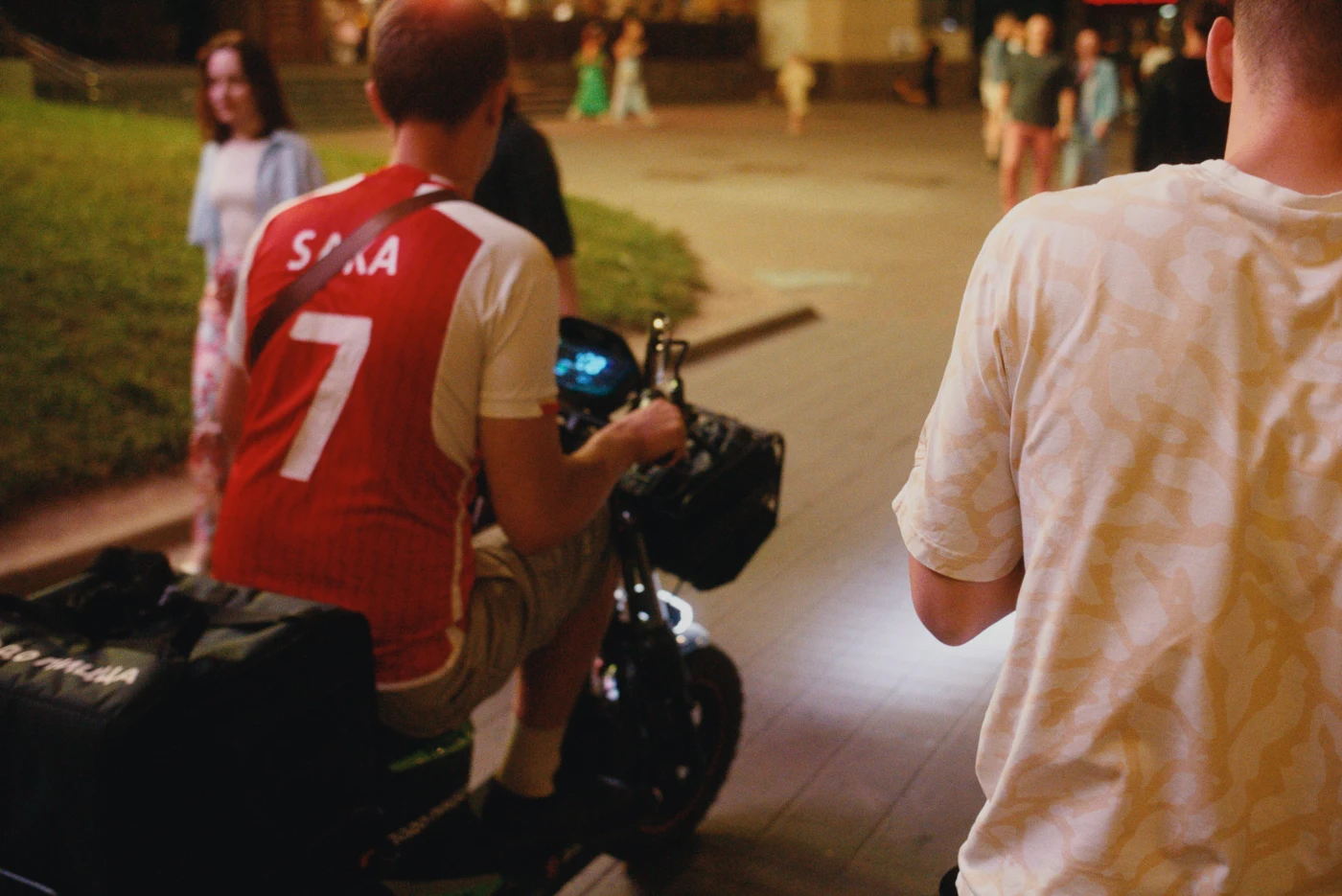
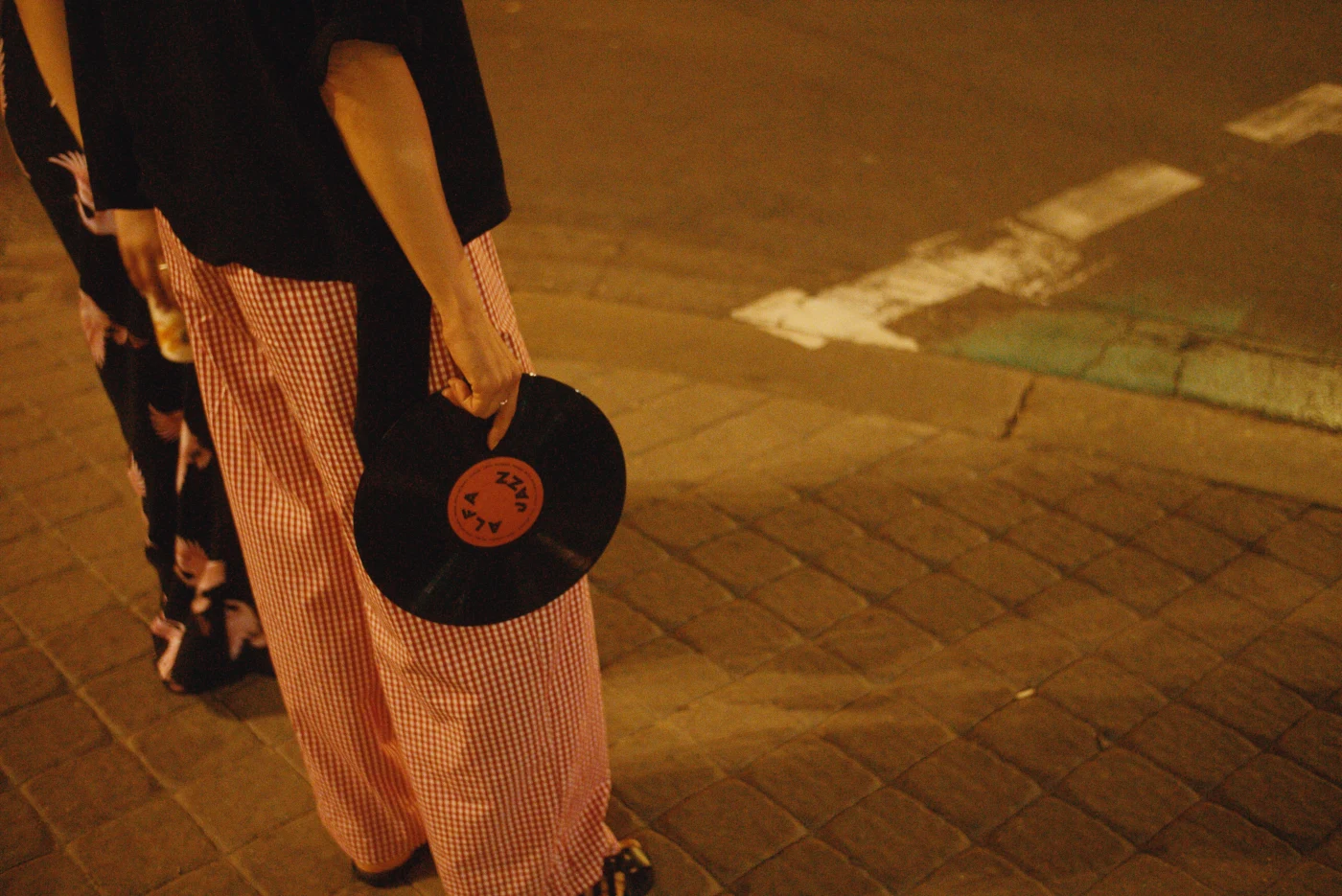
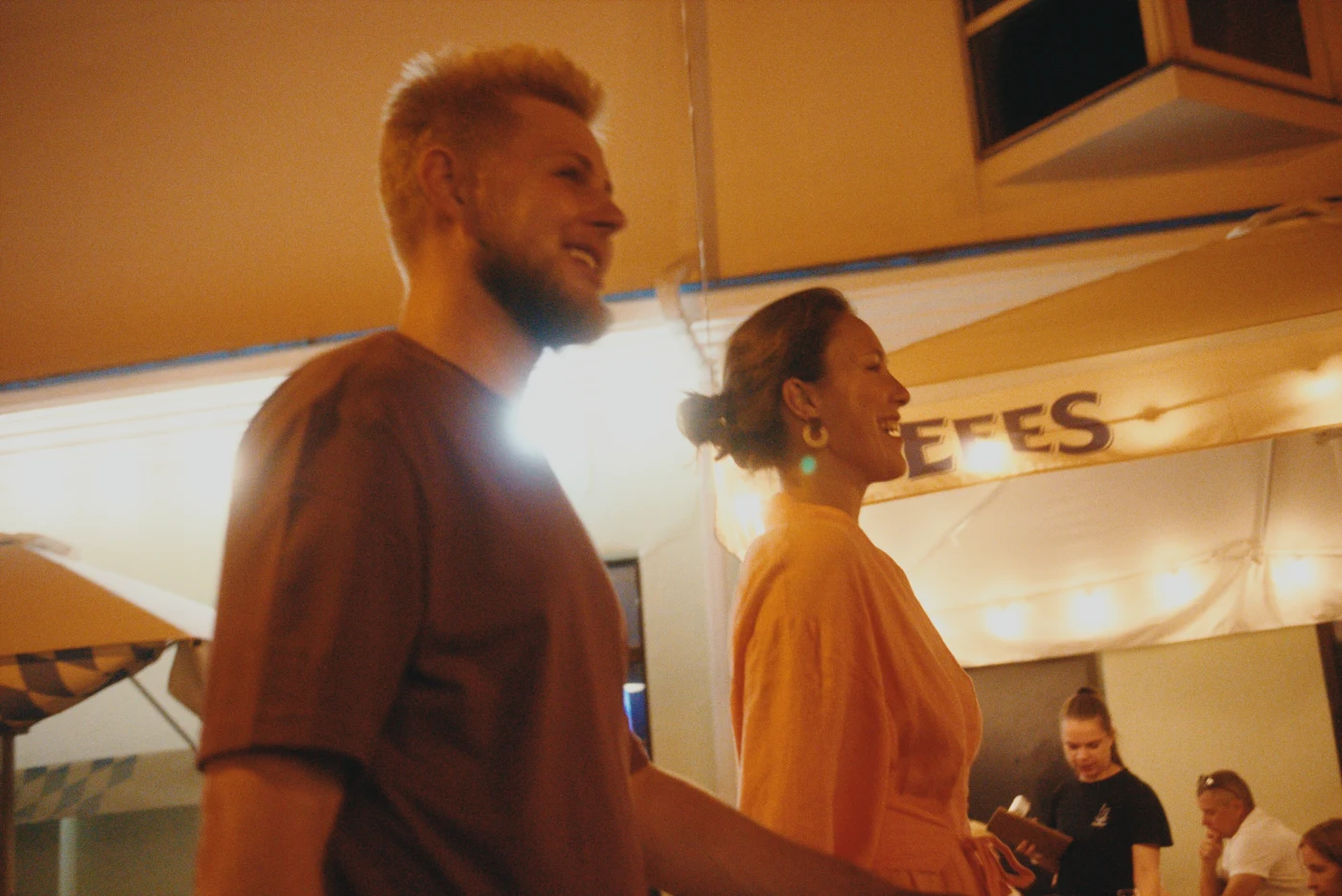
A small documentary sketch from a photowalk in the Zavodskoy district of Minsk. People with cameras, a random route, evening light, conversations on the move, and a city that seems to lead us a little by itself.
Featuring: Andrey, Ira, Roman.
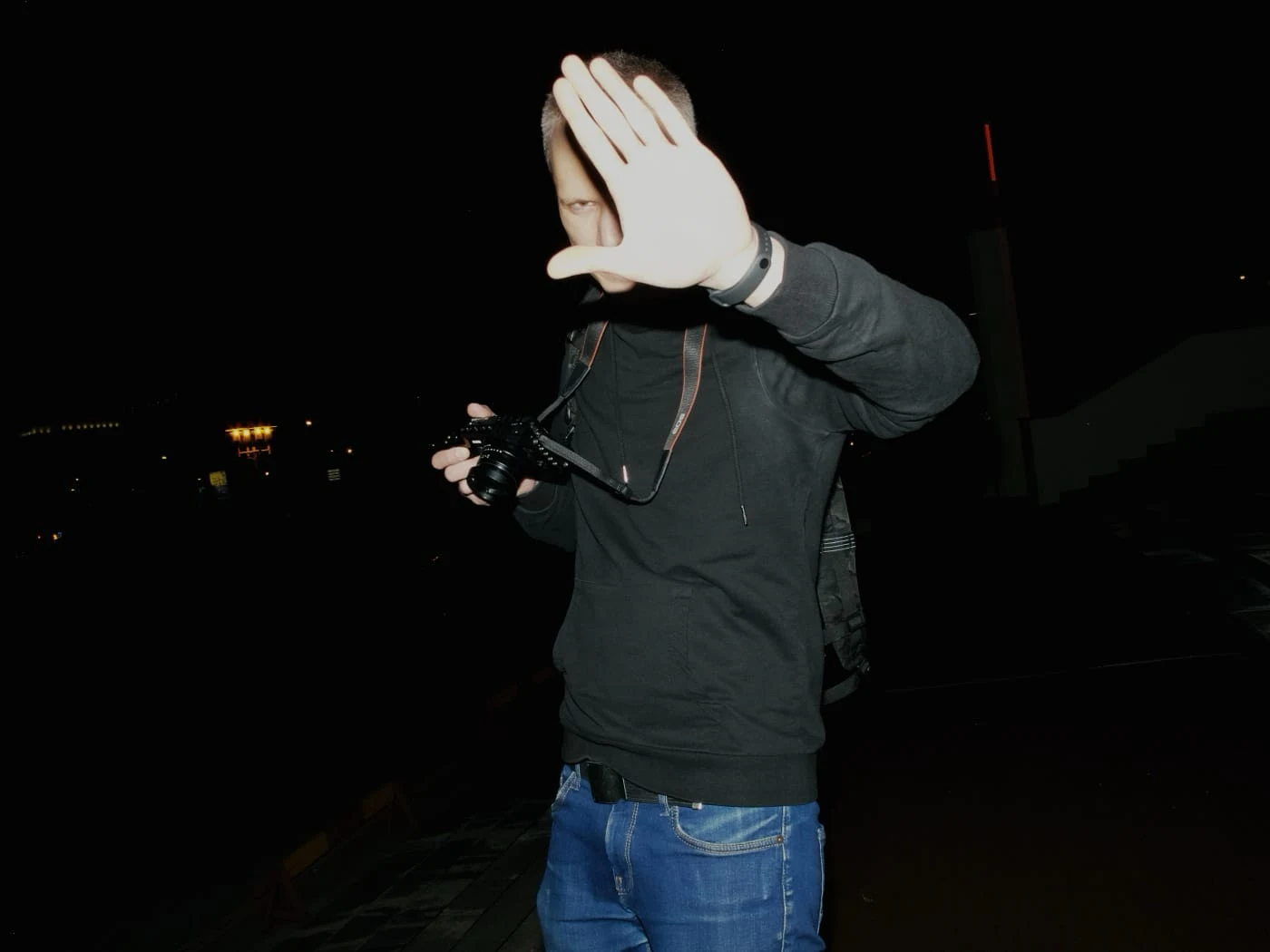
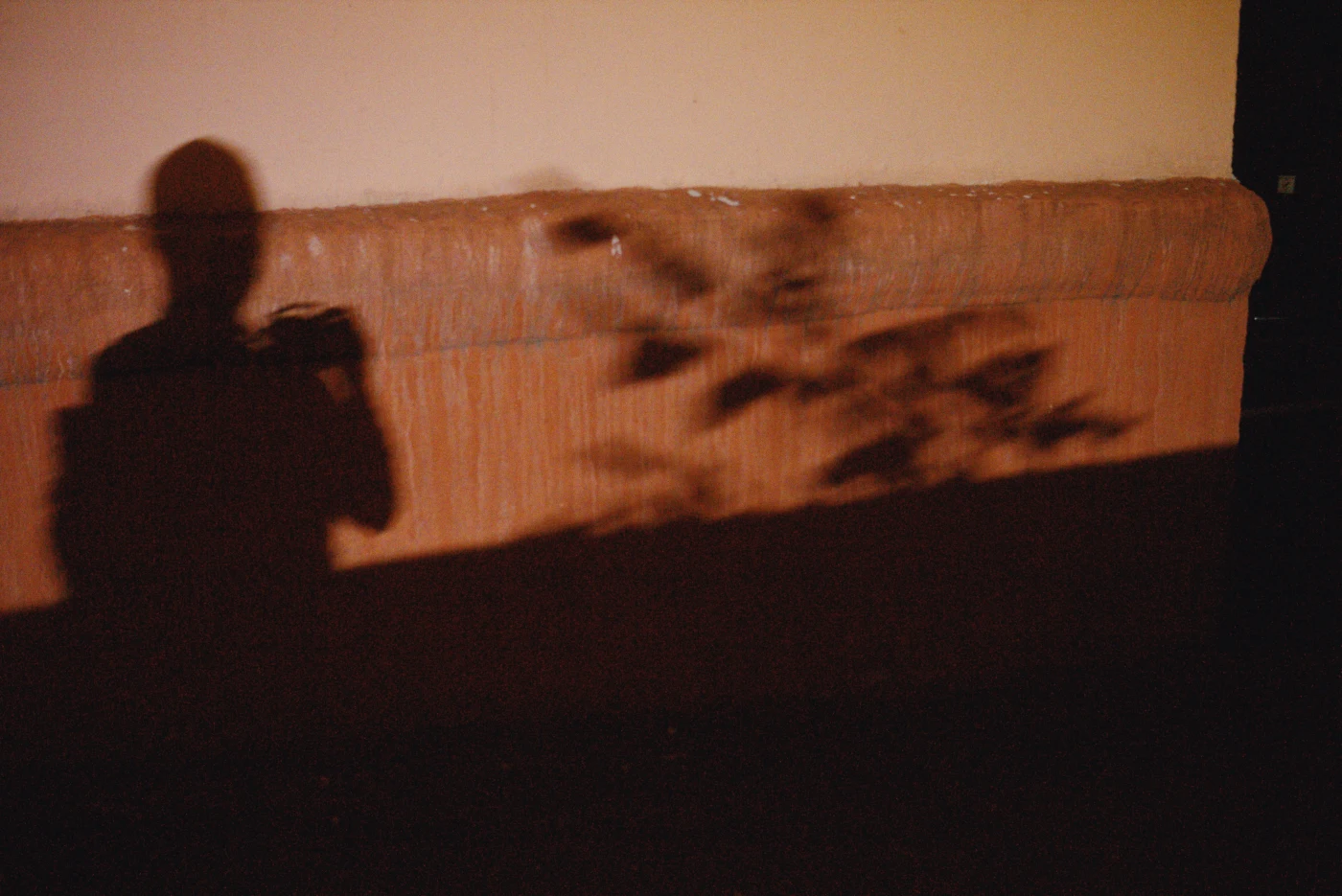
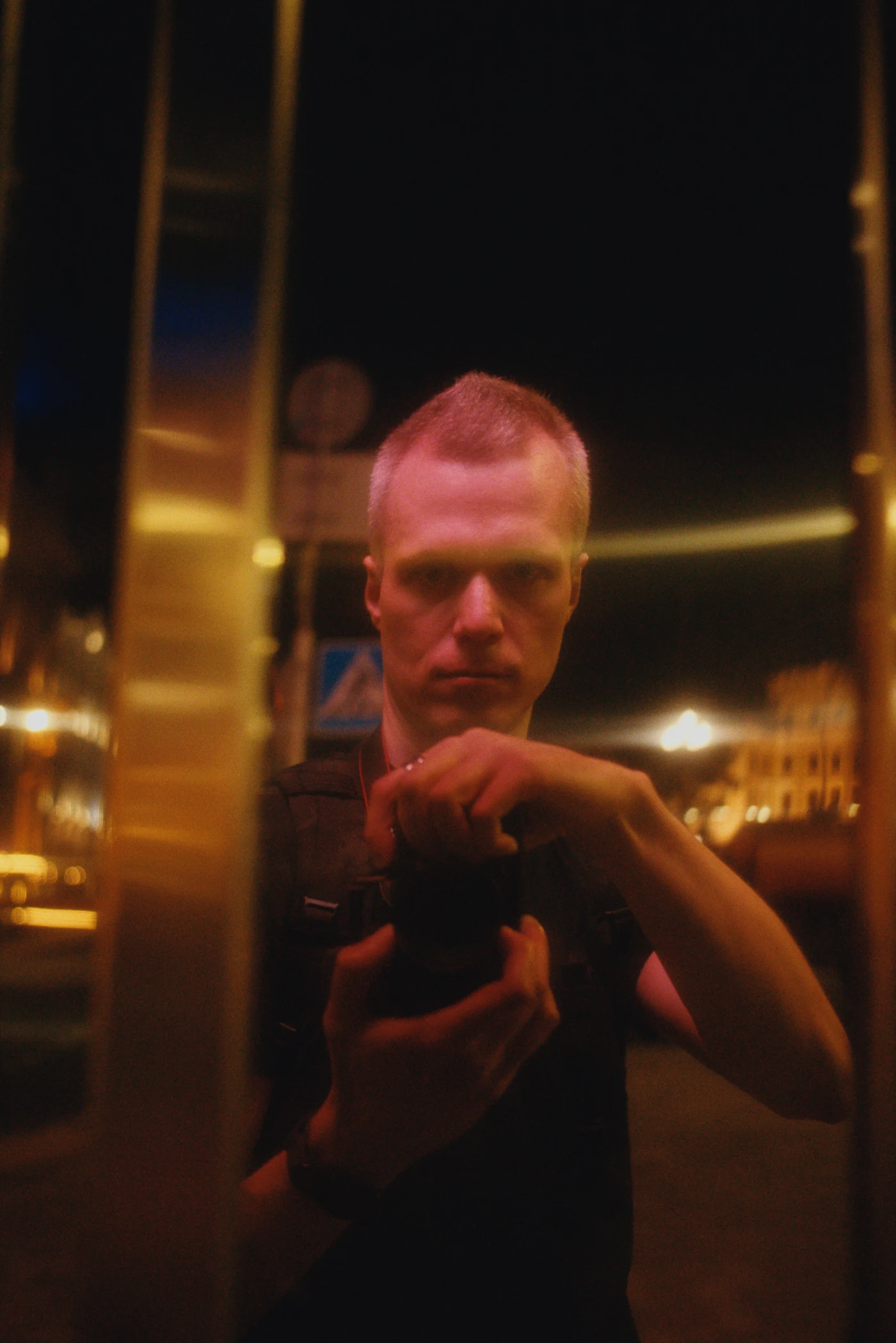
Me behind the camera.
FILM BY ANTON MALIAUSKI
CAMERA / CANON EOS M
CROP MOOD / OPENGATE 4:3 / 14BIT
LENS / MIR-1V
HANDHELD SHOOTING
LOCATION / MINSK / ZAVODSKOY
MUSIC / PORADOVSKYI / FUNKY
ANTOMAL.COM / 2026


I am sitting under a tree.
It has sheltered me beneath its huge canopy. I cannot see the structure of the leaves, cannot see whether there are flowers there or not. It is just a large dark roof above me.
In front of me is the Svislach. The embankment, concrete, rare passersby. Night, silence, darkness. I am a little bored.
During the day, it feels as if we have many options. Any photographer will understand me. And not even necessarily a professional photographer, but a person who goes out with a camera, or a person who goes out without a camera but simply knows how to look. During the day, you dive into this abundance. You see so much. The world itself offers you frames, shapes, light, faces, trees, reflections.
But sometimes you do not want to choose from what is already given. Sometimes you want to look into the unknown. To trust what is here now. To see what is around me within arm’s reach. To touch it, in another language.
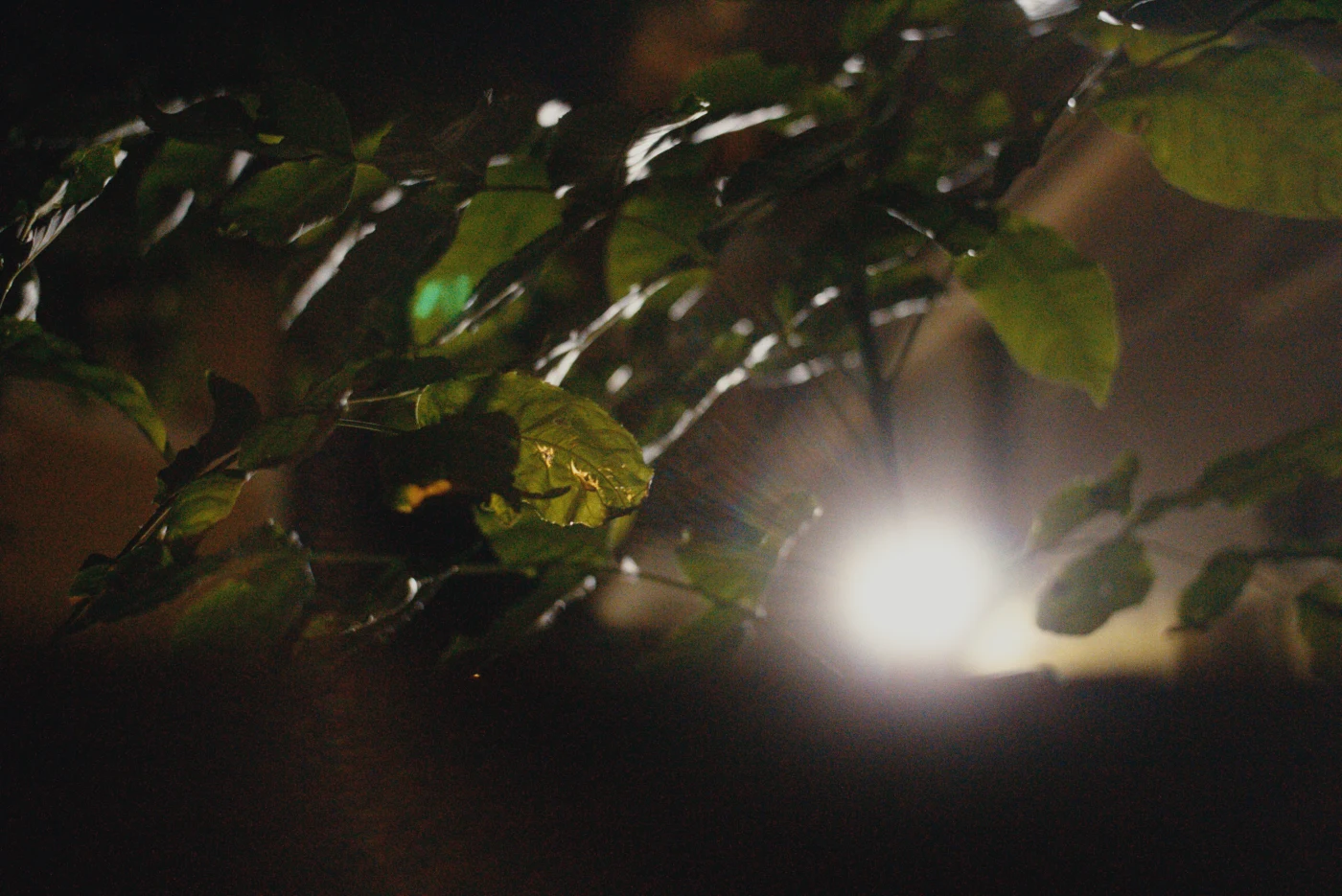
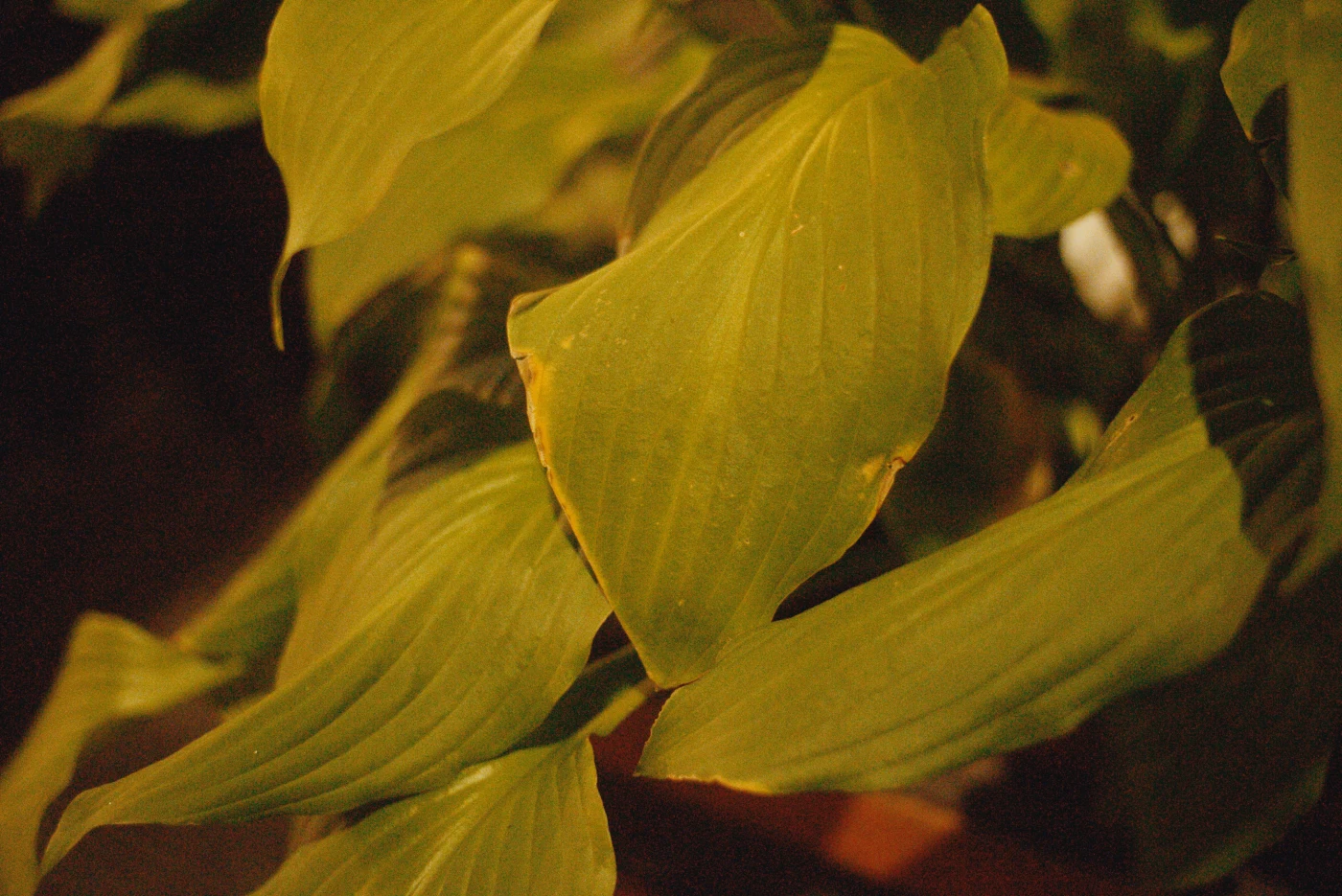
I take out the camera. Maybe out of boredom. Maybe with a childlike curiosity. I point it upward, turn on the flash, and take one shot.
Not ten. Not a series. I do not check the screen.
Just one shot.
I see the flash light up the tree for a second. And the world immediately returns back into darkness. I put the camera away and continue walking through the night city.
But later, already at home, when I open this photograph on the computer and develop it, I suddenly see what I did not see there, on the bench. Leaves. Flowers. Structure. The beauty that, at that moment, was right beside me, above me, around me.

I made a simple accidental “shot” with the camera, but it illuminated what was already there in reality.
In the note “A View from the Dark”, there was the thought that sometimes you need to remove the excess light in order to see differently. To look from the dark. To listen from silence. To step out of the noise of the day, out of the obvious, out of ready-made illumination.
Here the thought is similar, but it is about something slightly different.
Here I am not simply looking from the dark. I am trusting the space. Trusting the moment. Taking a step without knowing what exactly I will see.
Perhaps this is how it happens in life too.
We make some simple step. Sometimes almost accidental. We direct our attention toward a place where there seems to be nothing special. We illuminate a piece of reality for a second. And in that very moment, it may tell us nothing. We see only the flash, a brief illumination, an instant. And then everything returns to darkness again.
But something has already happened.
We have already exposed reality.
And now we only need to stop and see what has emerged.
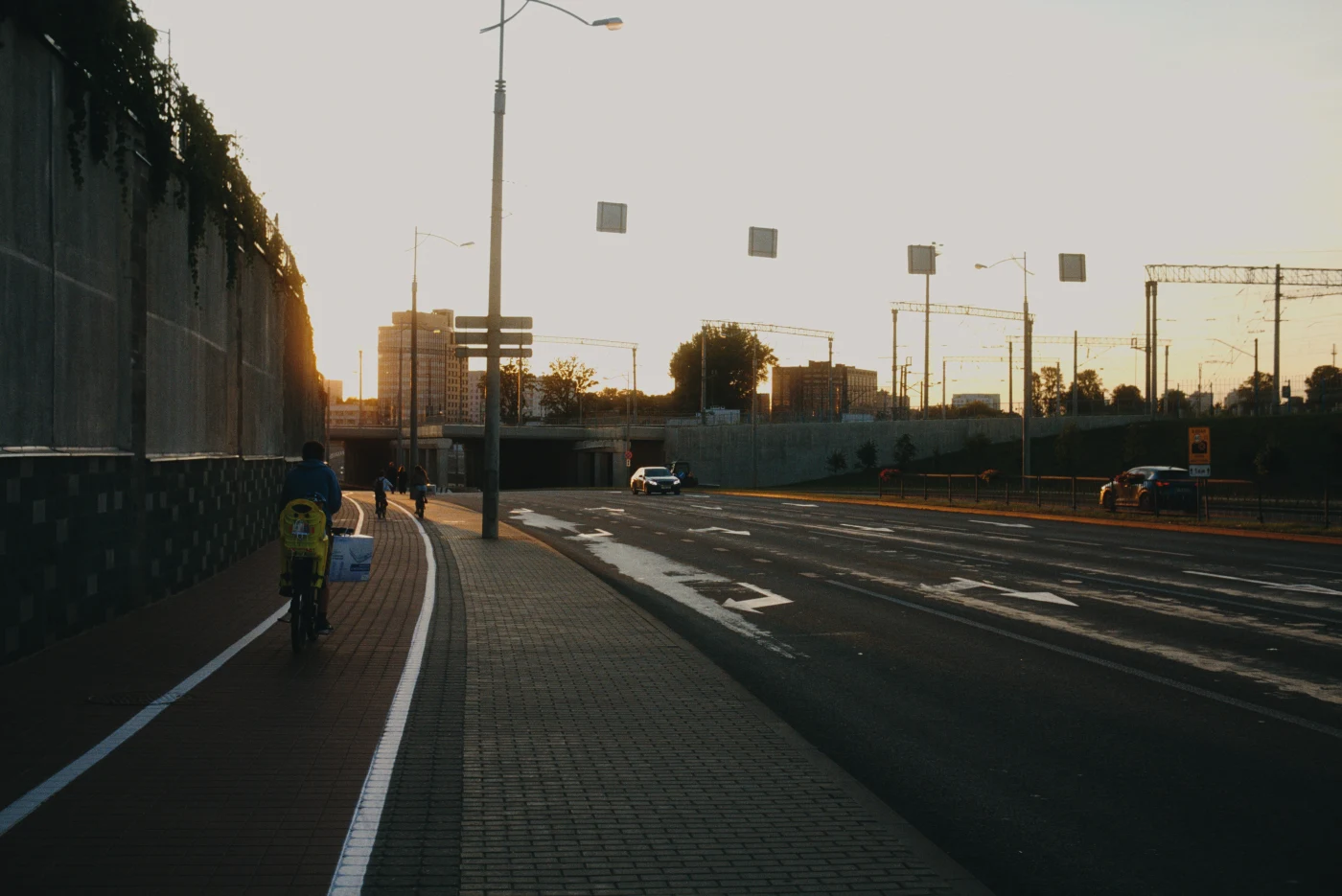
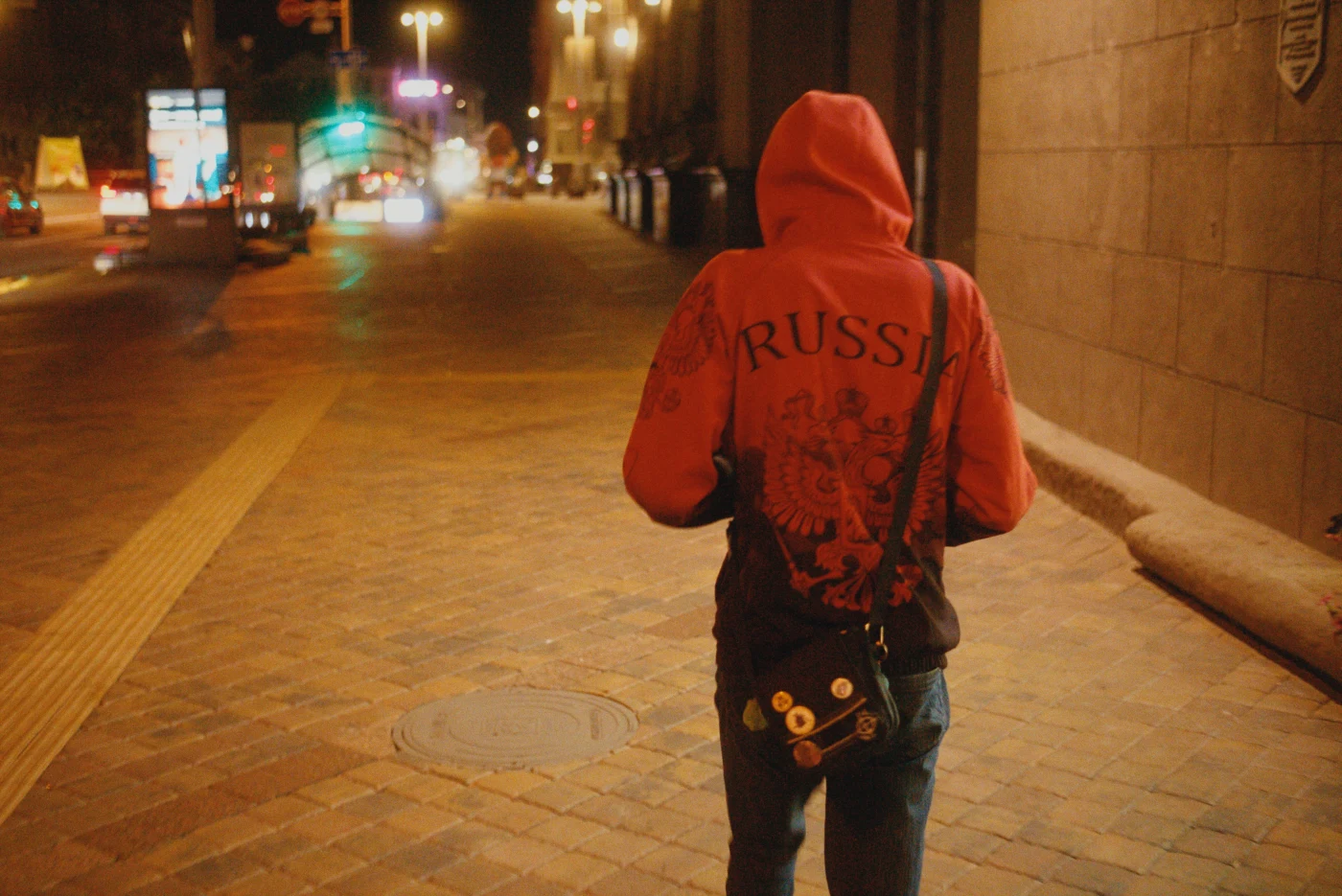
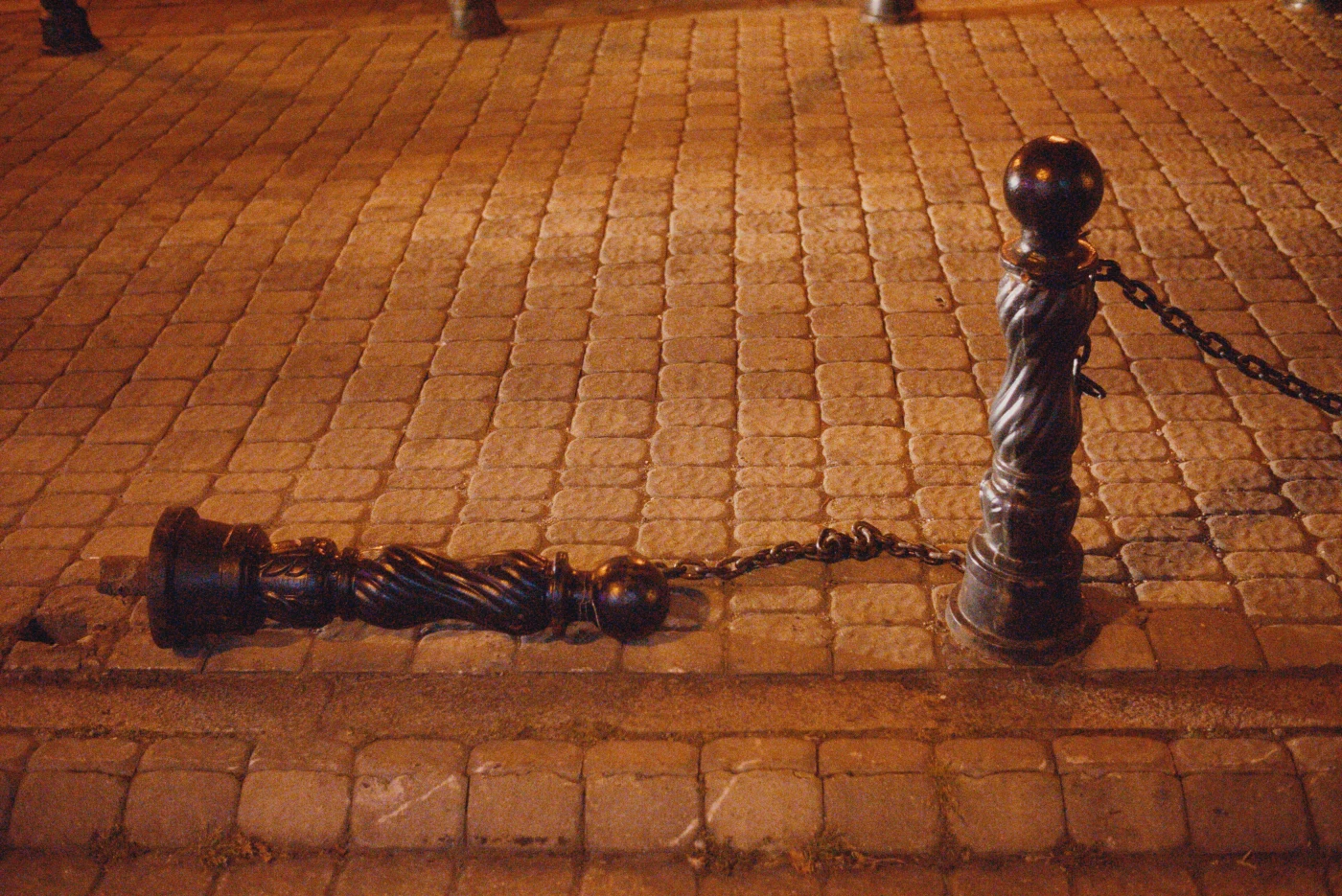
At a recent photo walk, I was mostly shooting video, but in this spot I wanted to stop time for a moment. Took a couple of shots.


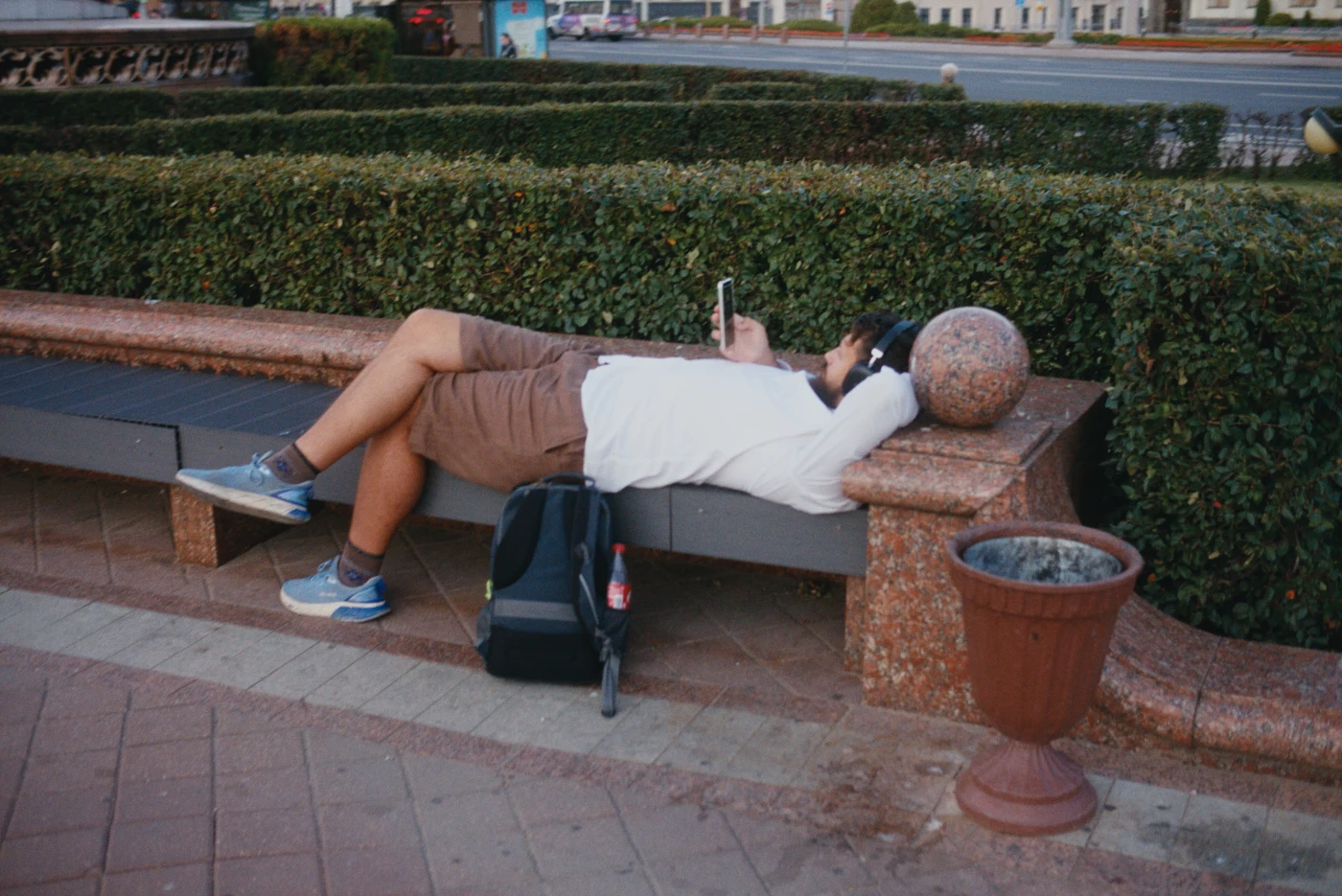
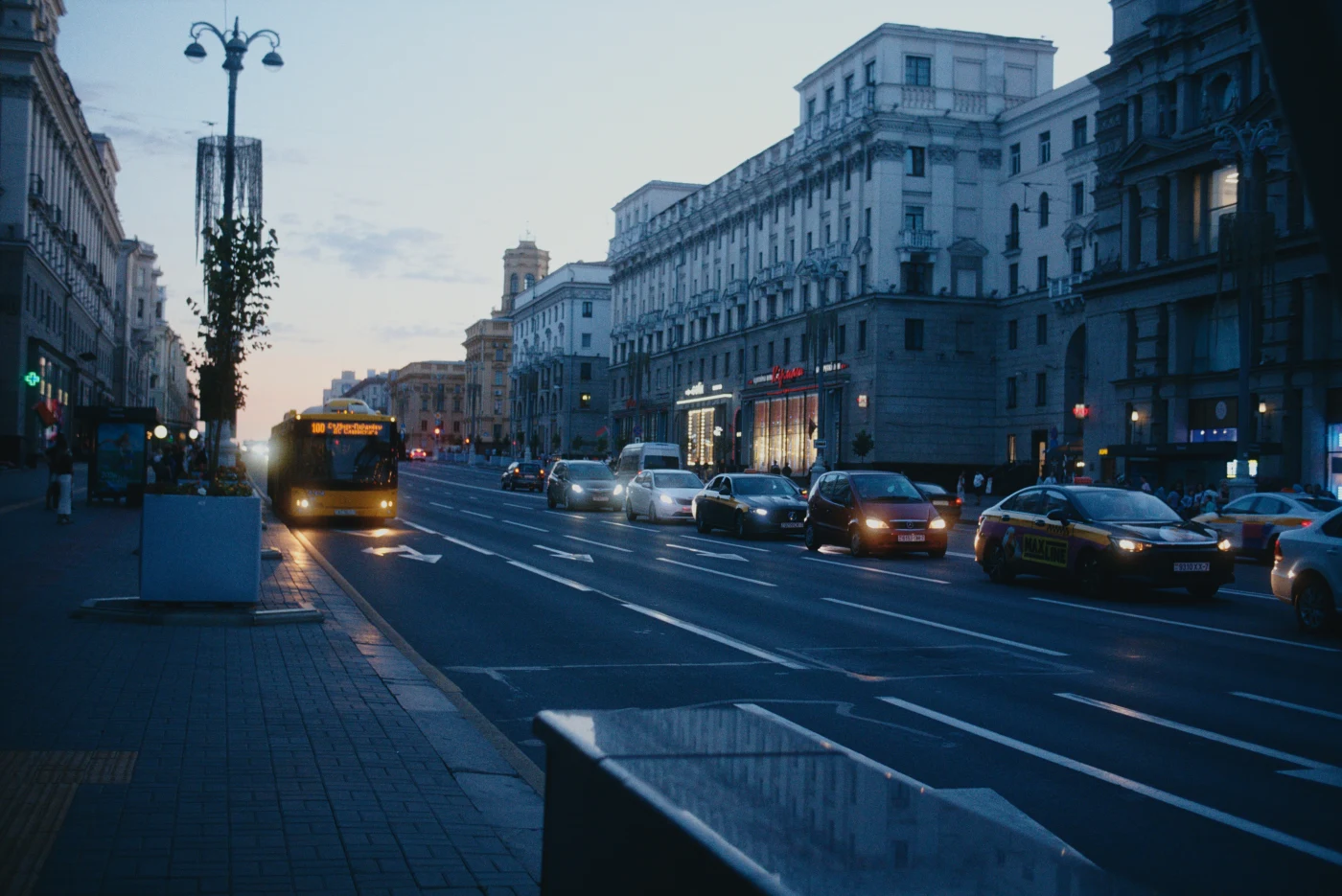
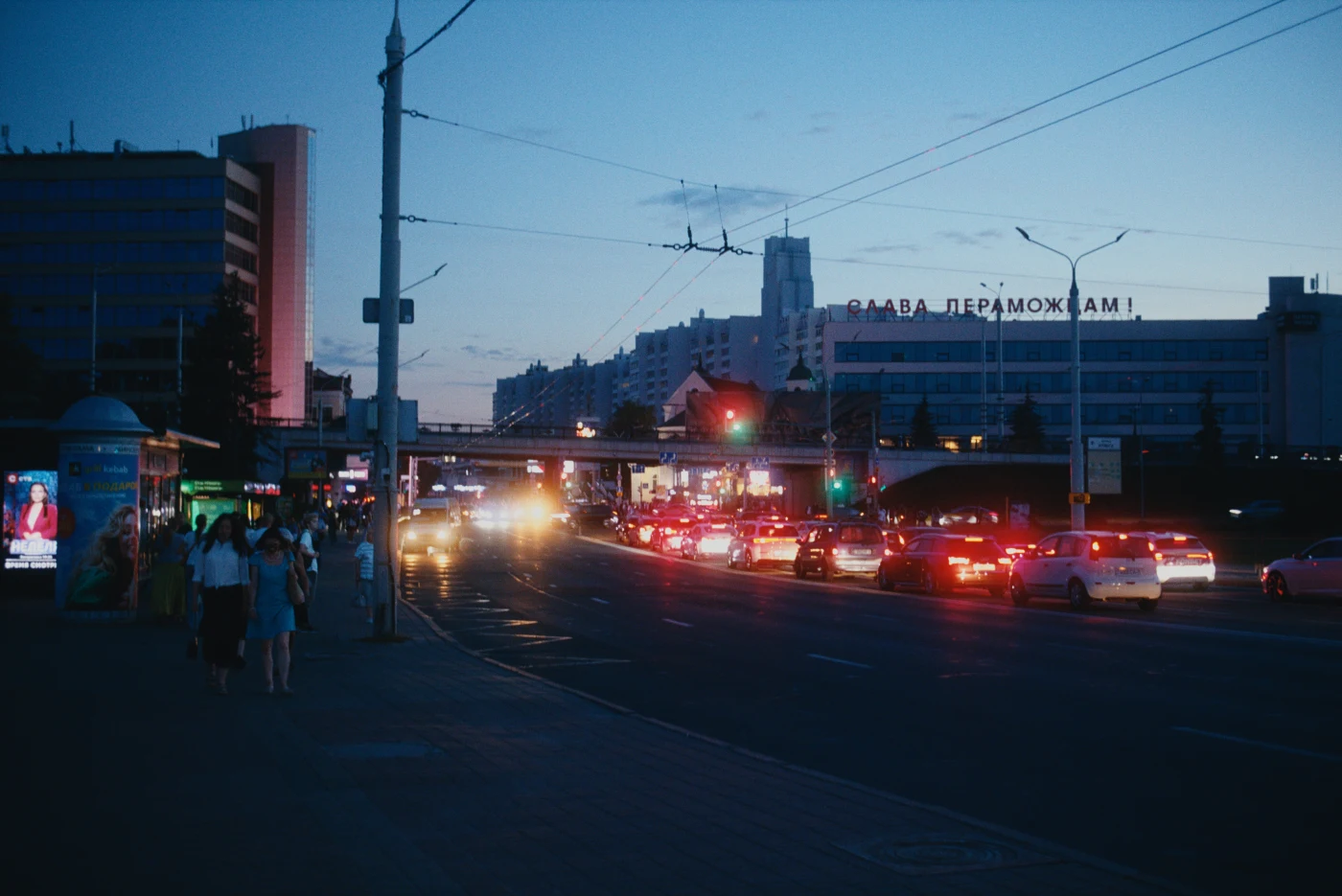
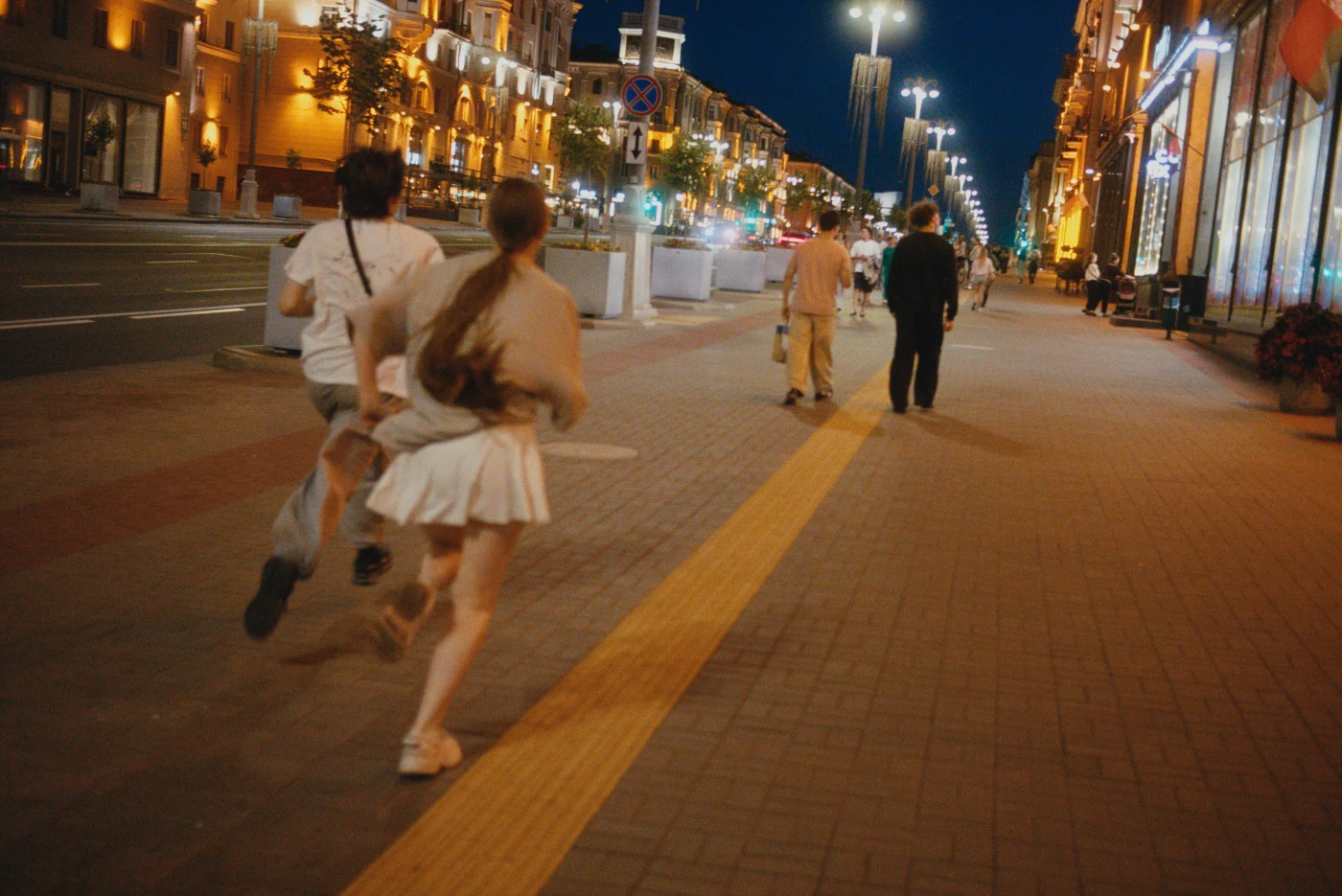
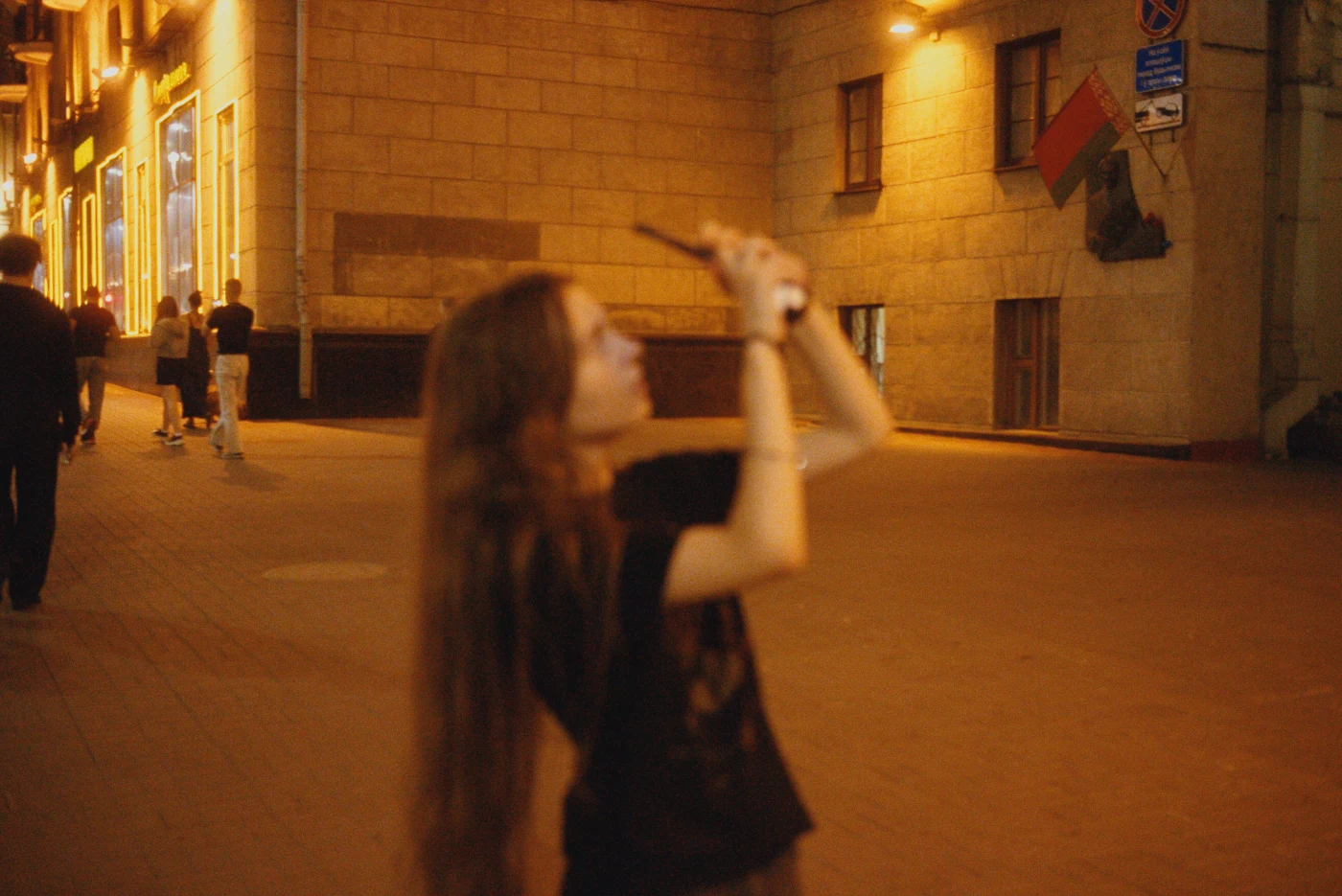
After the photo walk, I took a stroll through the city center and made a few more shots.


It’s interesting how photography makes you notice things that help you look at other areas of life as well. And perhaps it’s not only photography that works this way. Any practice you truly focus on can reveal something larger. Not only inside the practice itself, but around it too.
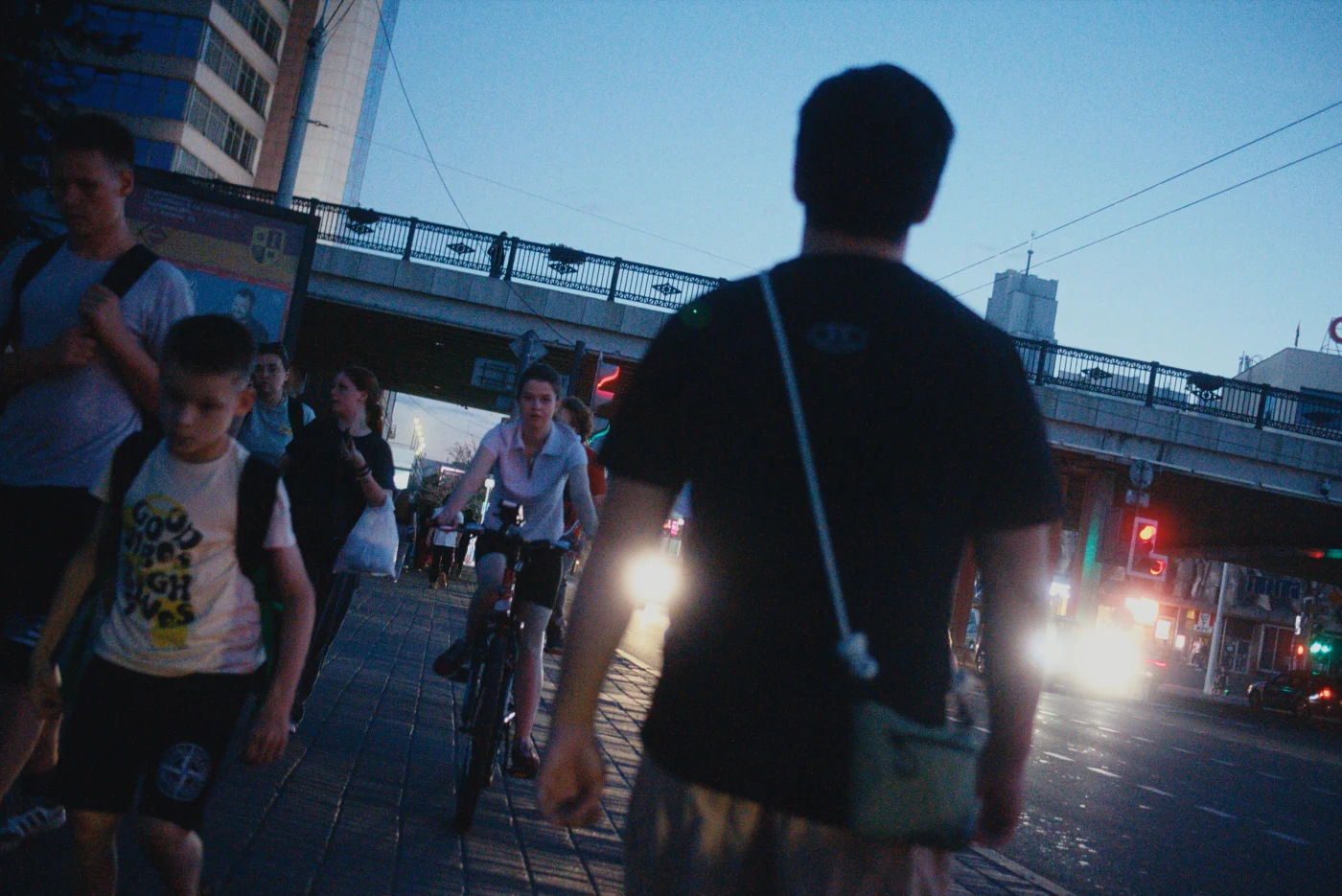
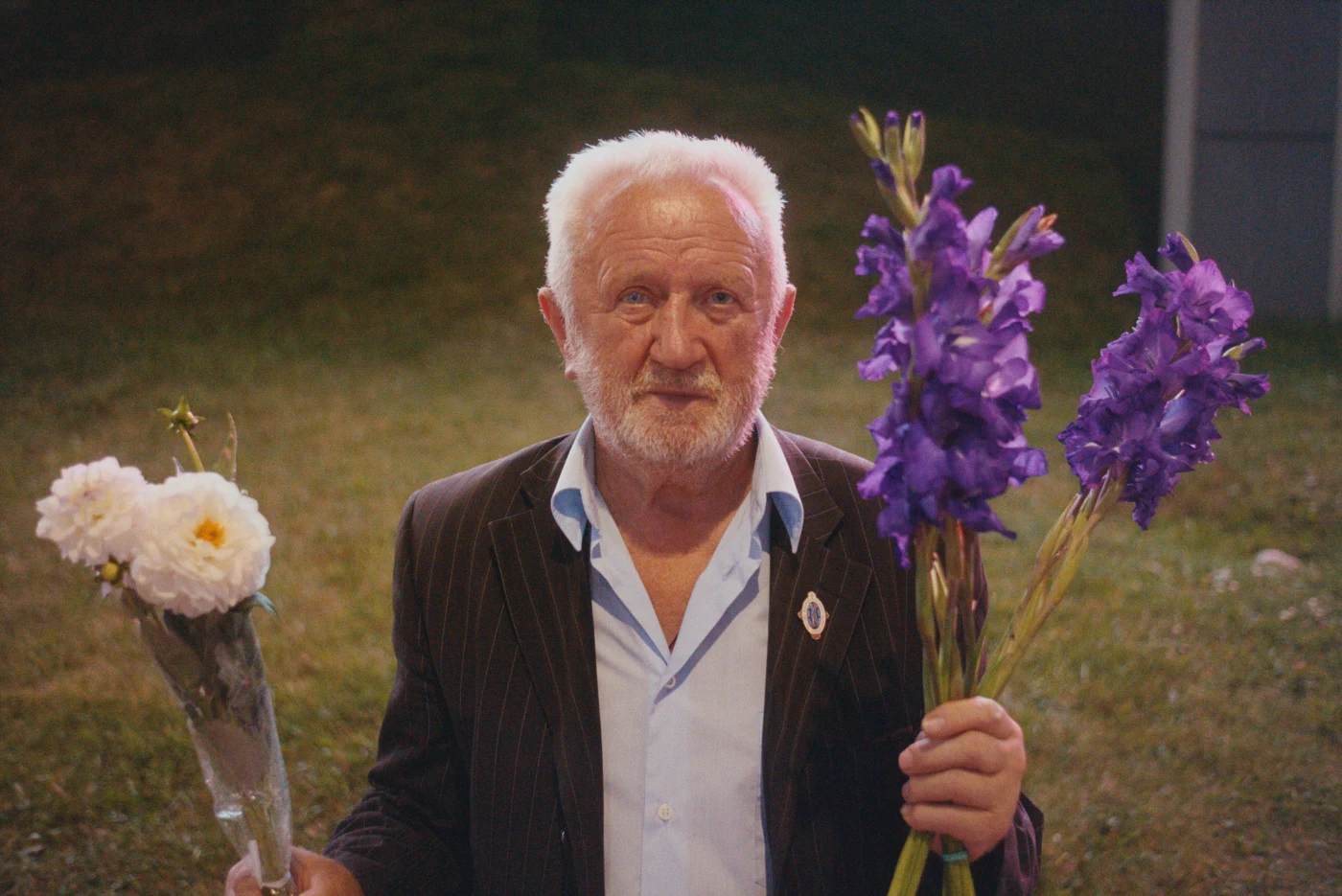
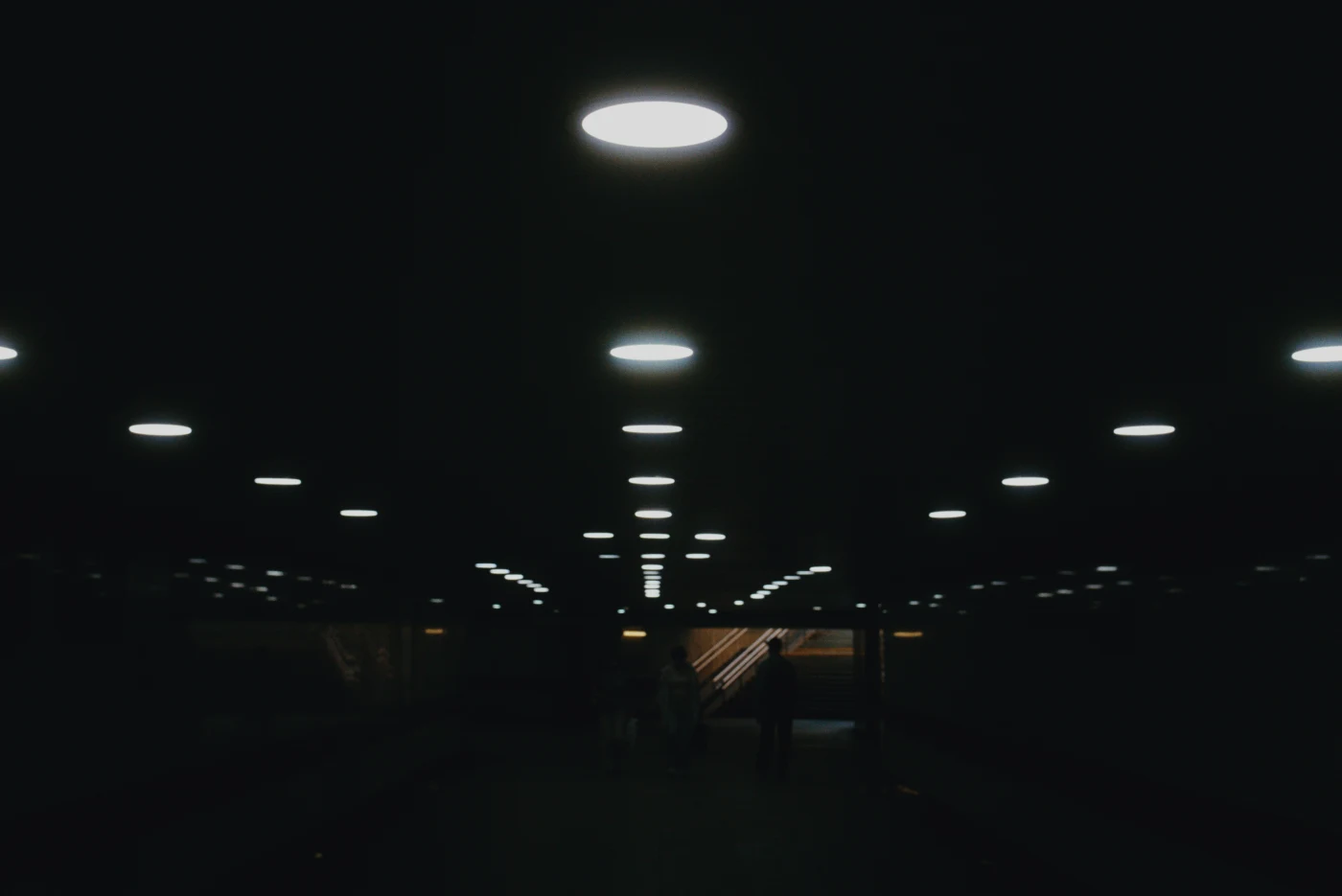
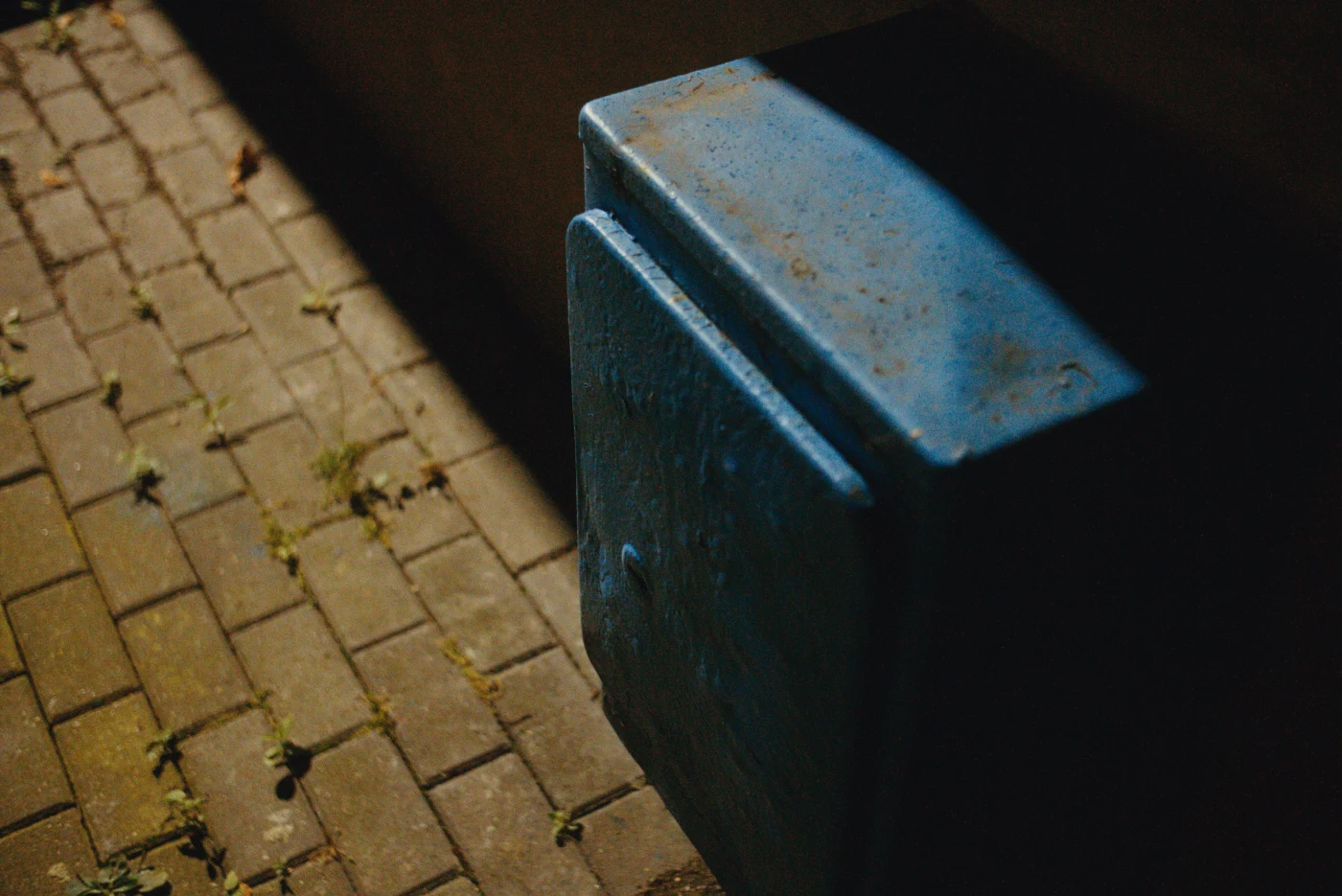
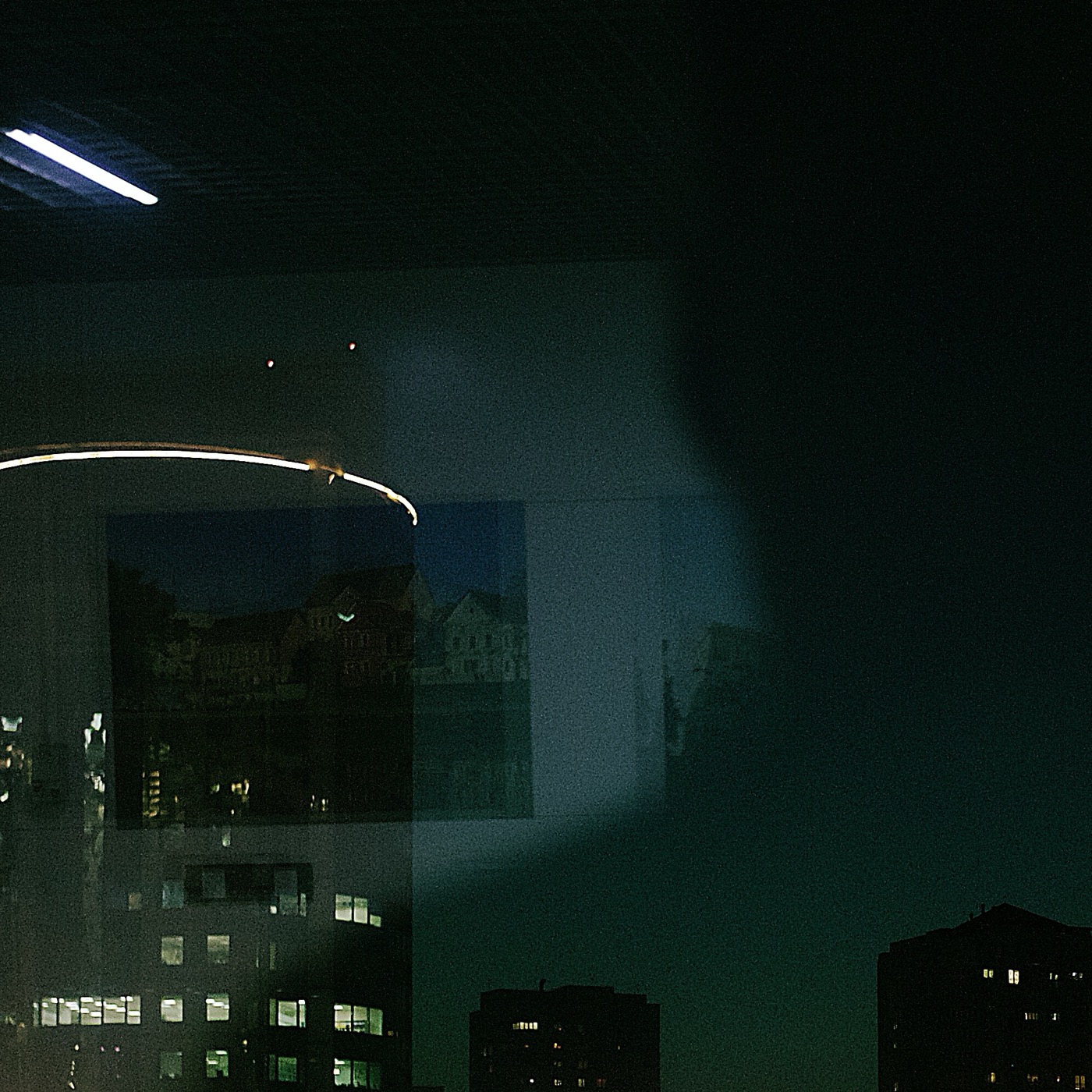
I’m thinking now about dark photography. About an image where the details are almost indistinguishable. Where the play of light and shadow is not so obvious. Where there are no strong jumps in brightness, no familiar contrast, no immediately readable picture. And this photograph is not necessarily made this way on purpose. Sometimes it is simply an image in a dark key. A photograph taken at night.

At night, our attention works differently. We look at light differently. We become more sensitive to faint details, to barely visible transitions, to small patches of brightness. We do not need as much light as we do during the day to make out form, shadow, presence.
But the most interesting thing does not happen when you look at such a photograph at night. The most interesting thing begins during the day. You open the image in daylight, and suddenly there is just a dark rectangle in front of you. What was full of details at night becomes empty during the day. Not because the details are not there, but because you are no longer looking from the same state.
And if we look at this more broadly, something similar happens in life. We can also fail to see certain moments because we are looking at them from the wrong state. Not in the right light. Not in the right inner time. What was once full of meaning can later seem like just a dark spot. We look and do not understand what was there. We do not make out the details. We do not feel the depth. We pass by something that was once alive.
To see such a photograph, you almost have to return to the state in which it was made. To look at it in a different light. At a different time of day. And if we are speaking about life, in a different mood, in a different silence, with a different kind of attention.
Sometimes, to see something, you do not need to add more brightness. Sometimes you simply need to enter the darkness again.